The integration of IoT technology is reshaping various sectors, from homes to healthcare. Smart home automation offers enhanced convenience and efficiency. In industrial settings, IoT drives predictive maintenance, reducing downtime. Healthcare innovations enable remote patient monitoring, improving care delivery. Meanwhile, smart city initiatives optimize urban living through data utilization. These diverse applications illustrate the potential of IoT, yet the full scope of its impact remains to be explored.
Smart Home Automation
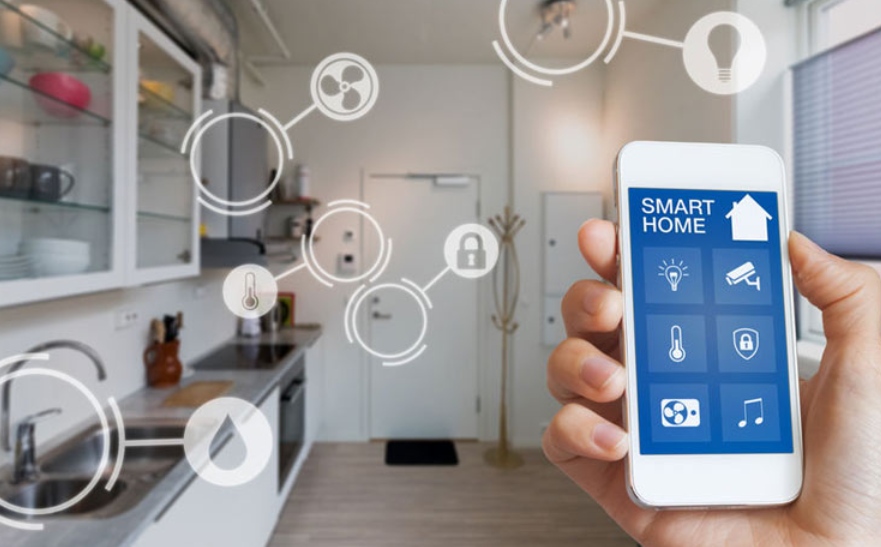
As technology continues to advance, smart home automation has emerged as a transformative force in residential living.
This innovation encompasses smart lighting systems that adjust based on occupancy and time, enhancing convenience and ambiance.
Furthermore, energy management tools optimize electricity use, allowing homeowners to reduce costs and environmental impact.
Together, these features empower individuals to control their environments, promoting a sense of freedom and sustainability.
Industrial IoT Applications
The evolution of IoT technology extends far beyond the confines of the home, significantly impacting industrial sectors.
Industrial IoT applications enhance operational efficiencies through predictive maintenance, which minimizes equipment downtime and reduces costs.
Additionally, IoT integrates seamlessly into supply chain management, enabling real-time tracking and data analysis, ensuring optimized inventory levels and improved logistics, ultimately fostering a more agile and responsive industrial environment.
Healthcare Innovations
While advancements in technology continue to transform various sectors, healthcare stands out as a domain where IoT innovations are making a profound impact.
Remote monitoring tools enable healthcare providers to track patient vitals in real time, enhancing care quality.
Additionally, patient tracking systems facilitate timely interventions, empowering individuals to manage their health proactively.
These innovations collectively create a more efficient, responsive healthcare environment.
Smart City Initiatives
Building on the advancements in healthcare, IoT technology is also playing a pivotal role in the development of smart city initiatives.
By enhancing traffic management systems through real-time data analysis, cities can optimize flow and reduce congestion.
Additionally, IoT applications bolster public safety, enabling faster emergency response and proactive monitoring of urban environments, ultimately creating more efficient and livable spaces for citizens.
Conclusion
In conclusion, the diverse applications of IoT technology are reshaping various sectors, from enhancing home convenience to revolutionizing healthcare. A notable statistic highlights that by 2025, the number of connected IoT devices is expected to reach 75 billion globally, underscoring the technology’s rapid integration into daily life. As these innovations continue to evolve, they promise to create smarter environments, streamline processes, and improve overall quality of life for individuals and communities alike.