Bleeding hemorrhoids can cause discomfort, concern, and disruption to daily routines. Although hemorrhoids are a common condition, symptoms such as bleeding, irritation, swelling, and pain can affect confidence and quality of life. Choosing personalized bleeding hemorrhoids treatment plans allows care strategies to be tailored according to symptom severity, lifestyle factors, and individual health needs.
A customized approach focuses on identifying the causes behind hemorrhoid symptoms and selecting suitable methods that support healing, improve comfort, and reduce the likelihood of recurring problems. Since every individual experiences hemorrhoids differently, personalized treatment can provide a more effective path toward better recovery.
Understanding available treatment approaches, preventive habits, and lifestyle improvements can help individuals make informed decisions about managing bleeding hemorrhoids.
Understanding Bleeding Hemorrhoids and Their Causes
Hemorrhoids are swollen veins located in the lower rectum and anal area. They may develop when increased pressure affects these blood vessels, causing them to become enlarged and irritated.
Bleeding hemorrhoids commonly occur when swollen tissues become damaged or irritated during bowel movements. The bleeding is often noticed as bright red blood, but any rectal bleeding should be evaluated appropriately to determine the cause.
Several factors may contribute to hemorrhoid development, including:
- Straining during bowel movements
- Long periods of sitting
- Constipation
- Low fiber intake
- Pregnancy-related pressure changes
- Heavy lifting
- Reduced physical activity
Understanding these contributing factors helps create a treatment plan focused on both symptom relief and long-term prevention.
See also: Discover the Lifestyle Benefits of Living in Blackheath
Importance of Personalized Hemorrhoid Treatment
A personalized treatment approach recognizes that hemorrhoid symptoms vary from person to person. Some individuals may experience occasional bleeding, while others may deal with recurring discomfort and more persistent symptoms.
A tailored plan considers:
- Severity of symptoms
- Frequency of bleeding
- Lifestyle habits
- Digestive health
- Daily activity levels
- Previous treatment experiences
By addressing individual needs, treatment can focus on improving healing while supporting healthier bowel habits.
Initial Evaluation for Effective Treatment Planning
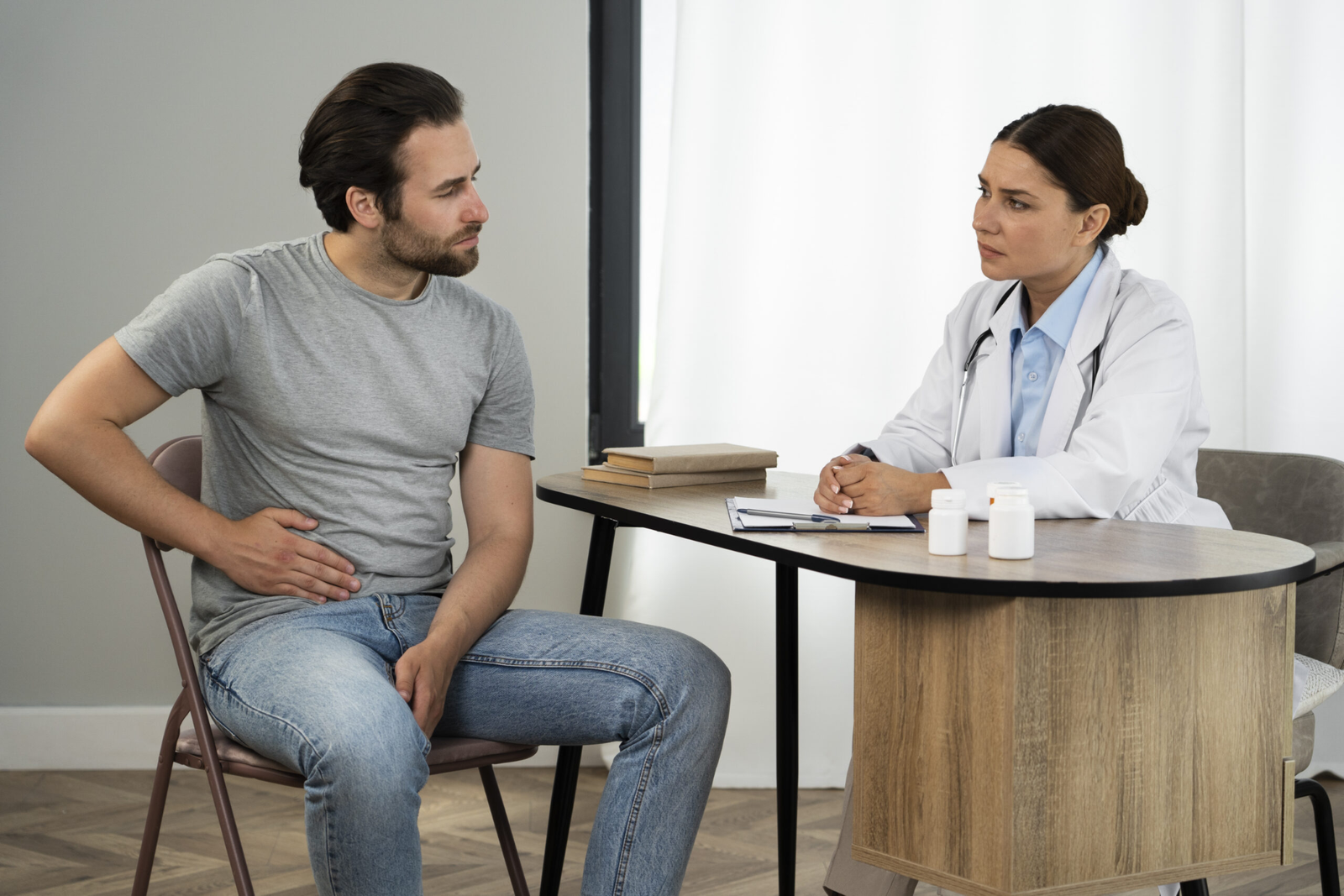
Before choosing a treatment approach, proper evaluation is an important step. A healthcare professional can assess symptoms and determine the most suitable management strategy.
An evaluation may include:
- Reviewing symptom history
- Understanding bowel movement patterns
- Examining affected areas when necessary
- Identifying possible contributing factors
This process helps ensure that treatment focuses on the actual cause of symptoms rather than only providing temporary comfort.
Lifestyle-Based Approaches for Bleeding Hemorrhoid Relief
Lifestyle improvements are often an important part of personalized hemorrhoid care. Daily habits can influence bowel health, pressure levels, and recovery.
Increasing Fiber Intake
Fiber plays a key role in maintaining healthy digestion. A fiber-rich diet can help create softer stools, making bowel movements easier and reducing strain.
High-fiber food choices may include:
- Fruits
- Vegetables
- Whole grains
- Legumes
- Nuts and seeds
Gradually increasing fiber intake along with adequate hydration can support better digestive function.
Maintaining Proper Hydration
Adequate fluid intake supports normal bowel movement patterns and may help prevent constipation.
Healthy hydration habits can contribute to:
- Softer stools
- Easier digestion
- Reduced strain during bowel movements
Hydration should be balanced according to individual health needs.
Improving Bathroom Habits
Certain bathroom habits may increase pressure on hemorrhoidal tissues.
Helpful practices include:
- Avoiding prolonged sitting on the toilet
- Responding to natural bowel urges
- Avoiding excessive straining
- Maintaining a consistent routine
These simple adjustments can support better healing conditions.
Medical Treatment Options for Bleeding Hemorrhoids
When lifestyle changes are not enough, additional treatment approaches may be considered based on symptom severity.
Conservative Treatment Methods
Mild cases of bleeding hemorrhoids may improve with supportive care methods designed to reduce irritation and improve comfort.
These approaches may include:
- Symptom management strategies
- Gentle hygiene practices
- Comfort-focused treatments
- Lifestyle modifications
The appropriate approach depends on individual symptoms and medical recommendations.
Minimally Invasive Procedures
For individuals with persistent symptoms, minimally invasive procedures may provide additional support.
These treatments are generally designed to reduce hemorrhoid-related problems while focusing on patient comfort and recovery.
The recommended option depends on factors such as:
- Hemorrhoid type
- Symptom severity
- Overall health
- Previous treatment response
Advanced Treatment Considerations
In more complex cases, advanced medical approaches may be considered. A healthcare professional can determine whether additional intervention is appropriate.
Personalized decision-making helps ensure that treatment matches the individual’s condition and recovery goals.
Supporting Healing Through Daily Care
Recovery from bleeding hemorrhoids involves more than addressing symptoms. Supporting healthy habits after treatment can encourage better long-term outcomes.
Gentle Hygiene Practices
Keeping the affected area clean and comfortable is important for reducing irritation.
Helpful practices include:
- Using gentle cleaning methods
- Avoiding harsh products
- Maintaining proper personal hygiene
Care should focus on preventing additional irritation.
Regular Physical Activity
Movement supports circulation and digestive health.
Suitable activities may include:
- Walking
- Light exercise
- Stretching routines
- Regular mobility activities
Consistent physical activity can support healthier bowel function and overall wellness.
Managing Long Periods of Sitting
Extended sitting may increase pressure around the rectal area.
Helpful strategies include:
- Taking regular movement breaks
- Adjusting sitting positions
- Using comfortable seating support when needed
These changes may reduce unnecessary pressure.
Preventing Recurrence of Bleeding Hemorrhoids
A successful treatment plan should also focus on preventing future problems.
Long-term prevention strategies include:
Maintaining Digestive Health
Healthy digestion reduces the likelihood of constipation and straining.
Supporting digestive wellness through nutrition, hydration, and activity can help maintain regular bowel habits.
Avoiding Excessive Strain
Reducing pressure during bowel movements is one of the most important preventive steps.
This includes:
- Avoiding forced bowel movements
- Responding to natural urges
- Maintaining softer stool consistency
Following a Consistent Wellness Routine
Small daily habits often create the foundation for better long-term results.
A consistent routine may include:
- Balanced meals
- Regular exercise
- Proper hydration
- Stress management
- Adequate rest
Factors That Influence Healing Progress
Healing time and treatment results can vary depending on several factors.
Important influences include:
- Severity of hemorrhoids
- Duration of symptoms
- Overall health condition
- Treatment consistency
- Lifestyle habits
Following professional guidance and maintaining healthy routines can support improved recovery.
The Role of Professional Guidance in Hemorrhoid Care
While lifestyle improvements are valuable, persistent bleeding should not be ignored. Professional evaluation helps determine whether symptoms are caused by hemorrhoids or another condition requiring attention.
Healthcare guidance provides benefits such as:
- Accurate assessment
- Appropriate treatment recommendations
- Monitoring of progress
- Better long-term management
A personalized approach ensures that care decisions are based on individual circumstances.
Building a Long-Term Plan for Better Hemorrhoid Health
Effective hemorrhoid management requires ongoing attention rather than short-term solutions. A complete care plan combines symptom management, preventive habits, and healthy lifestyle choices.
A long-term approach focuses on:
- Supporting digestive health
- Reducing pressure on affected tissues
- Maintaining healthy routines
- Recognizing symptoms early
These steps can help individuals achieve better comfort and improved daily quality of life.
Conclusion
Personalized bleeding hemorrhoids treatment plans for better healing provide a focused approach to managing symptoms while supporting long-term wellness. By considering individual needs, lifestyle factors, and symptom patterns, customized care can help improve comfort and encourage healthier recovery.
Combining professional evaluation, healthy bowel habits, lifestyle improvements, and suitable treatment methods creates a comprehensive strategy for better hemorrhoid management. With consistent care and attention, individuals can work toward improved digestive health, reduced discomfort, and greater confidence in daily activities.