Can You Get Dental Implants With Bone Loss or Gum Disease?
Yes, many patients with bone loss or a history of gum disease can still qualify for dental implants, but the right treatment depends on their oral health and the condition of their jawbone. Active gum disease generally needs treatment before implant placement, while insufficient bone may require bone grafting or another form of augmentation. A detailed examination helps determine the safest path forward. For patients researching dental implants Tysons, G4 Dental Implants can be a starting point for understanding available treatment options and the evaluations needed to establish implant candidacy.
Being told that you may not qualify for implants does not always mean you have run out of options. Active infection, reduced jawbone volume, previous periodontal disease, and certain medical conditions affect treatment differently. Identifying the specific concern helps your dental team develop a plan that addresses the underlying problem rather than ruling out implants without a thorough assessment.
How Bone Loss Affects Dental Implant Eligibility
Dental implants replace missing tooth roots with small posts, commonly made from titanium, that integrate with the surrounding jawbone. This process, called osseointegration, creates the foundation needed to support a crown, bridge, or implant-retained denture.
When a tooth is lost, the surrounding jawbone no longer receives the same stimulation from chewing. The bone can gradually shrink, particularly in the area that previously supported the tooth. Advanced gum disease can also destroy the bone and tissues that hold natural teeth in place. Both conditions may leave insufficient bone to support an implant securely.
Patients considering dental implants with bone loss need an assessment of the bone’s height, width, density, and location in relation to nearby anatomical structures. A dental examination and three-dimensional imaging, such as cone-beam computed tomography (CBCT) when indicated, can help establish whether the available bone can accommodate an implant safely.
Reduced bone volume does not automatically eliminate implant treatment. The severity and location of the loss determine which options may be appropriate.
Active Gum Disease Must Be Controlled First
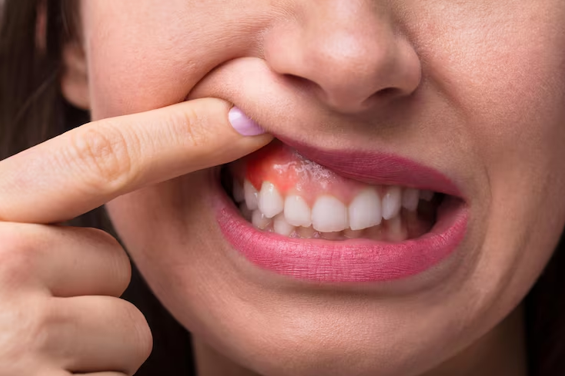
Gum disease ranges from gingivitis, which causes inflammation without permanent loss of the supporting bone, to periodontitis, which damages the tissues and bone surrounding teeth. Bleeding gums, persistent bad breath, gum recession, deep periodontal pockets, and loose teeth can indicate a need for professional evaluation.
Placing implants in an environment affected by uncontrolled periodontal infection can increase the risk of complications. Bacteria associated with periodontal disease can contribute to inflammation around implants, potentially leading to peri-implant mucositis or peri-implantitis. The latter can damage the bone supporting an implant and threaten its long-term stability.
Patients considering dental implants with gum disease generally need periodontal treatment before proceeding with surgery. Depending on the diagnosis, treatment may involve professional cleaning, scaling and root planing, improved home care, or periodontal surgery for more advanced disease.
Treatment aims to reduce infection and inflammation, establish healthier gum tissues, and create conditions that support healing. Continued periodontal maintenance is also necessary because a history of gum disease can increase the risk of future problems around both natural teeth and implants.
A History of Periodontitis Does Not Automatically Disqualify You
There is a meaningful difference between active periodontal disease and a history of successfully treated periodontitis. A patient whose gum disease is controlled may still be a suitable implant candidate, even if previous bone damage cannot be reversed completely.
The dentist or periodontist evaluates the stability of the remaining teeth, the condition of the gums, the pattern of bone loss, and the patient’s ability to maintain oral hygiene. The assessment also considers the likelihood of recurring inflammation and the patient’s commitment to regular periodontal care.
A periodontal evaluation before implants helps identify untreated infection, measure periodontal pocket depths, assess gum recession, and determine whether the supporting tissues are stable enough for implant treatment. Dental imaging may reveal defects that are not apparent during a visual examination.
Patients with previous periodontitis may need a more structured maintenance schedule and closer monitoring after treatment. Implant placement should proceed only when the clinical findings support a reasonable expectation of healing and long-term maintenance.
Dental Implant Bone Grafting Can Restore Missing Support
Bone grafting may help patients whose jawbone lacks the volume required for implant placement. During this procedure, a dentist or oral surgeon places grafting material in an area with inadequate bone to support new bone formation. The material may come from the patient’s own bone, a human donor, an animal-derived source, or a synthetic substitute, depending on the clinical situation.
The type of graft depends on the size and location of the defect. A localized deficiency may require a relatively limited augmentation procedure, while more extensive bone loss can demand a more involved surgical plan.
Common approaches include:
- Ridge augmentation: Adds volume to a jaw ridge that has narrowed or deteriorated after tooth loss.
- Sinus lift: Adds bone in the upper back jaw when the sinus leaves insufficient vertical space for an implant.
- Guided bone regeneration: Uses grafting materials and, in selected cases, a protective membrane to support bone growth in a targeted area.
Dental implant bone grafting does not guarantee implant eligibility. Healing capacity, infection control, the size of the defect, and the relationship between the proposed implant and nearby structures all influence the outcome. Some patients can receive an implant during the grafting procedure, while others need a separate healing and reassessment stage before implant placement.
See also: How UK Businesses Can Save Money on Business Gas Contracts
When Another Treatment Plan Makes More Sense
Bone grafting is not the only possible response to reduced jawbone volume. The dentist may recommend a different implant position, an alternative implant design, or a restoration supported by a carefully planned arrangement of implants. In selected cases, specialized approaches may use available bone in areas where conventional placement is not practical.
Patients with extensive bone loss may also benefit from discussing non-implant alternatives, such as a conventional dental bridge or removable partial or complete denture. These options can restore chewing function and appearance without requiring an implant to integrate with the jawbone.
G4 Dental Implants can be included in a patient’s search for implant treatment options, but the appropriate procedure should be determined by an individualized clinical assessment. A revised treatment plan should account for the remaining bone, gum health, restorative needs, medical history, and the patient’s ability to maintain the result.
Your treatment plan depends on your bone health, gum condition, and overall dental needs. Understanding the factors that influence dental implant costs in Tysons, VA can also help you prepare for a discussion about your treatment options with your dental provider.
Other Health Factors That Influence Implant Success
Bone volume and gum health are central considerations, but they are not the only factors affecting implant candidacy. Certain medical conditions, medications, and lifestyle habits can influence surgical healing, bone integration, or the risk of infection.
Important dental implant risk factors include:
- Uncontrolled diabetes: Poor blood sugar control can interfere with healing and increase the risk of infection.
- Smoking and tobacco use: These can impair blood supply and healing, increasing the likelihood of implant complications.
- Medications affecting bone metabolism: Certain osteoporosis and cancer treatments require careful review because their effects on the jaw and surgical healing vary by medication and treatment history.
- Teeth grinding or clenching: Excessive forces may place additional strain on implants and their restorations.
- Poor oral hygiene: Inadequate plaque control can contribute to inflammation around implants.
- Certain medical conditions: Disorders affecting immunity, wound healing, or bone health may require additional precautions or coordination with the patient’s medical team.
These factors do not all represent automatic reasons to refuse implant treatment. Their significance depends on severity, management, and the proposed procedure. Patients should provide a complete medical history and medication list rather than stopping prescribed medicines independently.
What Happens During an Implant Candidacy Assessment?
An implant assessment brings together information about oral health, jawbone structure, medical history, and the patient’s treatment goals. The dentist examines the mouth, reviews existing dental records and imaging, and identifies any conditions that need attention before surgery.
The assessment may include periodontal measurements, evaluation of remaining teeth, and three-dimensional imaging when clinically appropriate. If gum disease is active, periodontal treatment may come first. If the jawbone is insufficient, the clinician evaluates grafting or alternative implant strategies. If medical factors raise concerns, additional medical coordination may be necessary.
For patients researching implant candidacy after tooth loss, this assessment provides a clearer explanation of what is preventing immediate placement and which interventions might change that decision.
A useful consultation should distinguish between a temporary obstacle and a more fundamental limitation. It should also explain the expected benefits, possible complications, maintenance requirements, and available alternatives in language the patient can understand.
Protecting Your Results After Implant Treatment
Implant treatment does not end when the replacement teeth are fitted. Long-term success depends on protecting the tissues surrounding the implants and maintaining the health of the remaining teeth.
Daily brushing with a soft-bristled toothbrush, cleaning between teeth with suitable interdental aids, and following the clinician’s recommendations help control plaque. Patients with a history of periodontitis may need professional maintenance tailored to their periodontal condition.
Regular dental visits allow the clinician to check gum inflammation, assess the stability of the implant restoration, and monitor changes in the surrounding tissues. Persistent bleeding, swelling, discomfort, or a feeling that an implant is loose should prompt a professional evaluation.
Patients who have undergone bone grafting should also follow the surgical team’s instructions carefully. Avoiding tobacco, managing relevant medical conditions, and maintaining consistent oral hygiene can support healing and help protect the investment in restored function.
Take the Next Step Toward Restoring Your Smile
Bone loss and gum disease can complicate dental implant treatment, but neither condition automatically means implants are impossible. Active periodontal disease may need to be controlled first, inadequate jawbone may require augmentation, and medical or lifestyle factors may call for additional precautions. In some cases, a different restorative option offers a more appropriate result.
The most useful next step is to identify the exact reason implant placement has been discouraged and ask which treatment options could address it. If you have been told that your bone volume is insufficient or that your gum disease makes surgery risky, book an appointment for an individualized evaluation and a clear explanation of your options.
With an accurate diagnosis, realistic expectations, and a maintenance plan suited to your oral health, you can make an informed decision about replacing missing teeth and protecting your long-term dental health.