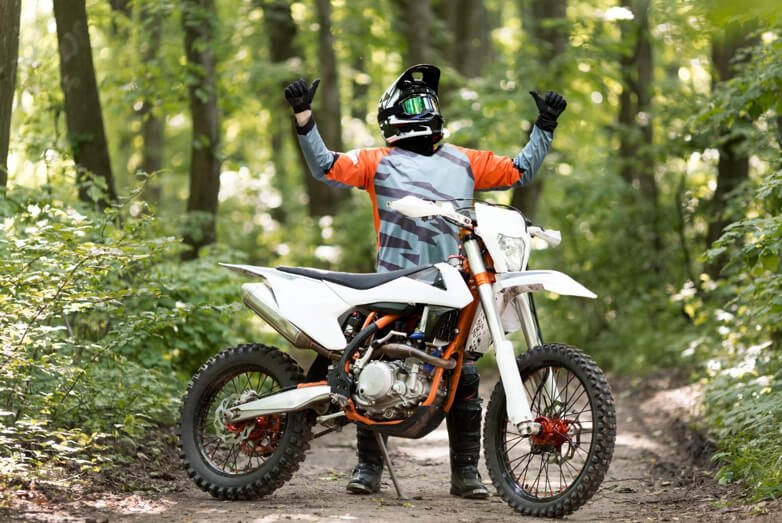
Trail riding puts different demands on a dirt bike than riding on a smooth, prepared surface. Uneven ground, loose soil, rocks, inclines, tight turns, and changing trail conditions all require a motorcycle that feels manageable and dependable.
For riders considering an Apollo 300cc Dirt Bike, looking beyond engine displacement can help identify the features that actually matter on the trail. Engine performance is certainly part of the equation, but suspension, ground clearance, tires, braking, rider position, weight, and maintenance requirements can have just as much influence on the riding experience.
A suitable dirt bike should feel comfortable enough for the rider to maintain control while dealing with changing terrain. The right setup can also make longer trail sessions less tiring and give riders greater confidence as they develop their skills.
Engine Performance for Trail Riding
The engine is naturally one of the first specifications riders examine. A 300cc engine can provide a useful balance of performance for riders who want enough power for recreational trail riding without selecting a machine solely based on maximum output.
Power delivery matters just as much as the engine’s size. On a trail, riders may need to adjust their throttle input frequently as the terrain changes. Smooth and predictable response can be useful when moving through narrow sections, climbing an incline, or navigating loose surfaces.
A rider should also consider their experience level. More engine capacity does not automatically make a dirt bike easier to ride. Throttle control, body positioning, braking technique, and awareness of the terrain remain essential.
Before purchasing, ask about the engine’s characteristics and the type of riding for which the motorcycle is intended.
Suspension That Can Handle Uneven Ground
A trail rarely stays perfectly smooth for long. Roots, stones, ruts, bumps, and changes in elevation can place significant demands on the suspension.
A dirt bike’s suspension helps absorb impacts and keeps the wheels in contact with the ground. The exact suspension design and adjustment options vary by model, so riders should understand what is provided on the particular motorcycle they are considering.
Useful suspension considerations include:
- Front suspension design
- Rear suspension setup
- Available adjustment
- Suspension travel
- Rider weight compatibility
- Recommended maintenance
Suspension setup should also match the rider. A lighter rider and a heavier rider may not get the same results from identical settings.
For anyone comparing an Apollo 300cc Dirt Bike with other options, understanding the suspension specifications can provide a better idea of how the bike may behave on uneven trails.
Ground Clearance
Ground clearance becomes especially useful when trails include rocks, logs, deep ruts, or other obstacles.
A bike with appropriate clearance gives the underside more room away from obstacles. Riders still need to choose their lines carefully, but sufficient clearance can reduce the likelihood of contacting the terrain during normal trail riding.
Ground clearance should be considered together with wheel size, suspension travel, and the bike’s overall dimensions.
It is also worth remembering that the stated ground clearance may not represent the same clearance under every riding condition. Rider weight, suspension compression, and terrain can affect the actual space beneath the motorcycle.
Tire Selection and Traction
Tires are the only part of the dirt bike that directly contacts the ground, making them a major consideration for trail use.
Different tread patterns are designed for different surfaces. A tire that works well on loose dirt may behave differently on hard packed ground, rocks, mud, or mixed terrain.
Before riding, check:
- Tire condition
- Recommended tire pressure
- Tread depth
- Sidewall condition
- Signs of damage
- Wheel condition
Tire pressure can affect handling and traction, so riders should follow the manufacturer’s recommendations rather than adjusting pressure randomly.
Trail conditions can also change during a single ride. Dry ground may become slippery after rain, while a muddy section may require a different riding technique than a firm dirt trail.
Braking Performance
Good braking control is essential on trails.
Riders may encounter sudden turns, steep descents, obstacles, or other trail users. Brakes need to be inspected regularly and operated smoothly.
The rider should become familiar with the front and rear brake controls before attempting challenging terrain. Sudden braking on loose surfaces can affect traction, so learning controlled braking techniques is an important part of developing trail riding skills.
Regular brake inspections should include checking for unusual wear, changes in lever feel, damage, and other signs that the braking system needs attention.
Rider Position and Ergonomics
Comfort can have a direct effect on control.
During trail riding, riders frequently shift their body position. They may stand on the foot pegs, sit during slower sections, lean through turns, or move their weight while climbing and descending.
The handlebar position, seat height, footpeg placement, and overall riding position should therefore feel natural.
A motorcycle that feels awkward before the ride is unlikely to become more comfortable after several hours on a trail.
When evaluating a dirt bike, spend some time sitting on it. Check whether:
- Your feet reach the controls comfortably
- The handlebars feel natural
- The controls are easy to operate
- You can shift your weight without restriction
- The seat position feels appropriate
- The motorcycle feels manageable when stationary
These simple checks can reveal differences that specifications alone cannot show.
Weight and Handling
A dirt bike’s weight influences how it feels during turns, stops, climbs, and low speed maneuvers.
A heavier motorcycle may require more physical effort when the rider needs to reposition it on a trail. A lighter setup can be easier to manage in certain situations, but overall weight should always be considered alongside stability and construction.
Riders should think about their own physical strength and experience when assessing the bike.
A machine that is easy to control at low speeds can be particularly useful when navigating technical sections where precision matters more than speed.
Transmission and Gear Selection
Gear selection can make a difference on changing terrain.
Trail riding may involve frequent transitions between slower technical sections and faster open areas. Riders need to understand how the transmission responds and which gears are appropriate for different situations.
Lower gears can be useful when controlled power is required at lower speeds, while higher gears may be suitable for more open sections.
New riders should spend time learning the motorcycle’s gear pattern and clutch response in a controlled environment before entering demanding trails.
Understanding the relationship between throttle, clutch, brakes, and gears makes it easier to respond to changing terrain.
Build Quality and Protection
Trail riding can expose a dirt bike to impacts, dirt, water, and vibration.
The motorcycle should therefore be inspected regularly for loose components, damage, leaks, and excessive wear.
Protective equipment on the bike can also matter depending on the riding environment. Some riders may consider equipment designed to protect vulnerable components from trail debris or impacts.
The goal is not to add unnecessary equipment. Accessories and protective components should have a clear purpose and remain compatible with the motorcycle.
Cooling and Heat Management
Engine temperature is another consideration during extended riding.
Trail riding can involve periods of slow movement, climbs, and demanding engine operation. The motorcycle’s cooling system should be maintained according to manufacturer recommendations.
Riders should pay attention to unusual temperature behavior or other warning signs. If the bike begins behaving differently from normal, continuing to ride may not be appropriate until the issue has been investigated.
Routine maintenance of the cooling system can help keep the motorcycle operating properly.
Maintenance Before a Trail Ride
A short inspection before every ride can identify problems before they become inconvenient or unsafe.
A basic pre ride check may include:
- Tire pressure and condition
- Brake operation
- Chain condition
- Engine oil level
- Coolant level where applicable
- Throttle response
- Clutch operation
- Controls
- Loose bolts or fasteners
- Visible leaks
- Signs of damage
The exact inspection procedure should follow the motorcycle’s owner documentation.
After riding, clean the bike as needed and inspect it again. Mud and debris can hide damage, so a quick post ride check can be useful.
Chain and Drive System Care
The chain is exposed to dirt, dust, moisture, and debris during trail riding.
A dirty or poorly maintained chain can wear faster and may affect the motorcycle’s operation. Riders should follow the manufacturer’s recommendations for cleaning, lubrication, adjustment, and inspection.
Check for:
- Excessive slack
- Damaged links
- Unusual wear
- Sprocket condition
- Dirt buildup
- Proper lubrication
Chain maintenance is relatively simple compared with major mechanical repairs, making it one of the routine tasks worth learning.
Preparing for Different Trail Conditions
A trail ride may involve several types of surfaces in a single outing.
Dry dirt, loose gravel, mud, wet roots, rocks, and hard packed sections each require attention from the rider.
Rather than relying entirely on the motorcycle, riders should adapt their technique to the terrain.
Reduce speed when visibility is limited. Approach unfamiliar obstacles cautiously. Maintain enough control to respond to changes in the trail.
Riders should also understand their own limits. Taking a difficult section too quickly can turn a manageable trail into a dangerous situation.
Protective Gear for Trail Riding
The motorcycle is only one part of a rider’s equipment.
Appropriate protective gear can help reduce injury risk during falls or collisions. Depending on the type of riding, riders may use:
- A properly fitted helmet
- Eye protection
- Gloves
- Riding boots
- Protective riding clothing
- Knee and elbow protection
- Appropriate body protection
Gear should fit correctly and be suitable for the riding environment.
New riders should become comfortable wearing their equipment before tackling longer or more demanding trails.
Choosing the Right Setup for Your Riding Style
There is no single dirt bike configuration that will be ideal for every rider.
Someone who prefers relaxed trail rides may value comfort and predictable handling. Another rider may prioritize suspension performance and ground clearance because they regularly ride technical terrain.
Before choosing a bike, identify the type of trails you expect to ride most frequently.
Consider:
- Typical trail length
- Terrain type
- Rider experience
- Frequency of use
- Expected riding pace
- Maintenance ability
- Transportation and storage
These factors can help you determine which specifications deserve the most attention.
FAQs
Is an Apollo 300cc Dirt Bike suitable for trail riding?
A 300cc dirt bike can be considered for recreational trail riding, but suitability depends on the specific model, rider experience, terrain, and intended use. Riders should review the manufacturer’s specifications and recommendations before purchasing.
What features matter most for trail riding?
Suspension, ground clearance, tires, braking, engine response, rider ergonomics, weight, and overall maintenance requirements are all worth considering. The importance of each feature depends on the terrain and riding style.
Is a 300cc dirt bike suitable for beginners?
Engine capacity alone does not determine suitability for a beginner. New riders should consider their physical ability, experience, training, and ability to control the motorcycle. Learning in an appropriate environment is recommended before riding difficult trails.
How often should a dirt bike be maintained?
Maintenance intervals depend on the motorcycle and how it is used. Follow the manufacturer’s service schedule and inspect the bike before and after demanding rides.
What should I check before trail riding?
Check the tires, brakes, chain, fluids, controls, fasteners, and visible components. Look for leaks, damage, or anything that appears different from normal.
Does tire pressure affect trail performance?
Yes. Tire pressure can influence traction, handling, and how the motorcycle responds to different surfaces. Use the pressure recommended for the motorcycle and riding conditions.
Why is suspension important on trails?
Suspension helps the motorcycle handle bumps and uneven surfaces while keeping the wheels in contact with the ground. Proper setup can also affect comfort and control.
What gear should I wear for dirt bike riding?
A properly fitted helmet and suitable protective equipment are essential considerations. Gloves, riding boots, eye protection, and additional protective gear can also be appropriate depending on the riding environment.
Getting More From Your Trail Bike
A good trail riding experience comes from the combination of a suitable motorcycle, proper preparation, and responsible riding technique. Engine capacity may attract attention when comparing models, but features such as suspension, tires, brakes, ground clearance, ergonomics, and weight can have a much greater effect on how the motorcycle feels on an actual trail.
The Apollo 300cc Dirt Bike can be evaluated by looking at these practical details rather than focusing on a single specification. Riders should consider the terrain they expect to encounter, their experience level, maintenance habits, and the type of riding they enjoy.
Taking time to inspect the motorcycle, maintain its major components, wear appropriate protective equipment, and build riding skills can make trail sessions more enjoyable and manageable. A well prepared rider is better positioned to appreciate what the motorcycle offers while respecting the conditions of the trail.