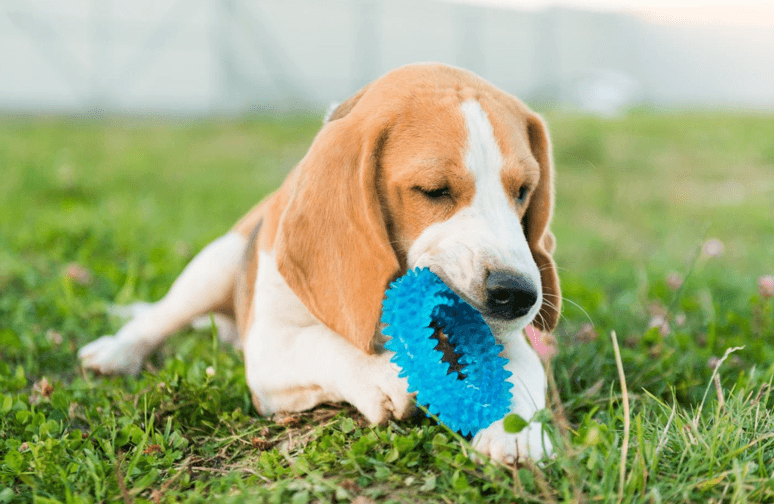
Dogs have a natural interest in chewing. Some enjoy picking up a toy and carrying it around, while others settle down for a long chewing session. Puppies may chew as they explore their surroundings, while adult dogs may simply enjoy the texture and activity.
Providing suitable toys gives dogs an appropriate way to express these natural behaviors. Natural chew toys for dogs can be a useful addition to playtime when they are selected according to the dog’s size, age, chewing style, and individual preferences.
Choosing a chew toy should not be based only on how it looks. The material, size, texture, durability, and intended use all deserve attention. A toy that works well for one dog may not be a good choice for another.
Why Dogs Enjoy Chewing
Chewing is a normal behavior for many dogs. It can be part of exploration, play, and everyday activity. Dogs experience objects through their mouths, particularly when they are young and curious.
Puppies may investigate household objects by chewing them, which can become frustrating when furniture, shoes, or other belongings become targets. Providing appropriate toys can give puppies and adult dogs an alternative outlet.
Chewing also gives dogs something to focus on during quiet periods. Some dogs enjoy spending time with a toy while resting beside their owners, while others prefer chewing as part of an active play session.
The important part is providing an option that is appropriate for the individual dog.
What Makes a Chew Toy Natural?
The term natural can refer to different materials depending on the product. Some natural chew toys may be made from materials derived from plants, wood, animal products, or other naturally sourced components.
Because the term can have different meanings, it is worth reading the product description carefully. Check what the toy is actually made from rather than relying only on the word natural.
Look for clear information about:
- Materials used
- Intended dog size
- Recommended age
- Chewing strength
- Product dimensions
- Care instructions
- Intended purpose
A transparent product description makes it easier to determine whether a particular toy suits your dog.
Choosing a Toy Based on Dog Size
Size is one of the most important considerations when buying a chew toy. A toy should be large enough for your dog to handle comfortably without being so small that it can easily be swallowed.
Small dogs generally need appropriately sized toys that are easy to hold and manipulate. Large breeds often require larger products that can withstand their stronger jaws.
Do not assume that breed alone determines the correct size. Dogs within the same breed can vary considerably in body size and chewing habits.
If a manufacturer provides weight recommendations or sizing information, use those details as a starting point.
Understanding Your Dog’s Chewing Style
Two dogs of similar size may treat the same toy very differently.
A gentle chewer may slowly work on a toy without causing much damage. A determined chewer may immediately focus on breaking it apart.
Observing your dog is one of the easiest ways to understand what type of toy may suit them.
Ask yourself:
- Does your dog chew gently or forcefully?
- Does your dog destroy toys quickly?
- Does your dog try to swallow pieces?
- Does your dog prefer soft or firm textures?
- Does your dog carry toys around?
- Does your dog lose interest quickly?
These observations can guide your choices more effectively than simply choosing the most durable product available.
Natural Chew Toys Can Add Variety to Playtime
Dogs can become bored with the same activities. Rotating suitable toys can provide variety and give dogs different ways to interact with their environment.
For example, a dog may have a soft toy for gentle play, a fetch toy for outdoor activities, and an appropriate chew toy for quieter periods.
This does not mean you need a large collection of toys. A small selection can be enough if each item serves a different purpose.
You can also put some toys away for a period and bring them back later. A toy that has not been available for several days may attract renewed interest.
Chewing and Interactive Play
Chewing does not have to be a solitary activity. Owners can use suitable toys as part of interactive play, depending on the type of product.
Some toys are designed for tugging or retrieving, while others are better suited to independent chewing.
Interactive play also gives dogs an opportunity to spend time with their owners. Simple activities such as fetching, gentle tug games, or encouraging a dog to find a toy can add variety to the daily routine.
Always use a toy according to its intended purpose. A toy designed for chewing may not be appropriate for vigorous tugging, and a soft toy may not withstand strong chewing.
Puppies Have Different Chewing Needs
Puppies often explore objects with their mouths. Their smaller size and developing teeth mean that toy selection requires additional care.
A puppy’s toy should be suitable for its age and size. Avoid giving a puppy a product intended for a much larger or stronger dog.
Puppies also tend to be curious and may try to tear toys apart. Supervision is therefore particularly important during playtime.
Inspect toys regularly and remove damaged products. If pieces have become loose or the toy is breaking apart, replace it rather than allowing the puppy to continue chewing it.
Natural Materials Require Careful Inspection
Natural materials can have different textures and characteristics. Depending on the product, some materials may change during use.
For this reason, inspect chew toys before and after play sessions. Look for cracks, sharp edges, loose sections, or pieces that could become detached.
If the product changes significantly or becomes damaged, it should be removed.
No chew toy is completely indestructible. Even a product described as durable may eventually show signs of wear when used by a determined chewer.
Supervision Should Be Part of Chew Time
Supervision is especially important for dogs that chew aggressively.
A dog may begin with a large toy that is easy to handle and eventually reduce it to smaller pieces. The risk can change as the product becomes worn.
During chewing sessions, watch for:
- Attempts to swallow large pieces
- Excessively forceful chewing
- Broken sections
- Sharp edges
- Loose material
- Significant changes in the toy’s shape
If you notice a problem, remove the toy and replace it with a more suitable option.
How Chew Toys Can Fit Into a Daily Routine
A chew toy can be incorporated into different parts of the day. Some owners offer toys after walks, while others use them during quiet periods.
For example, after an active walk, a dog may settle down with a suitable chew toy. Another dog may prefer chewing during the afternoon while the household is quiet.
There is no single schedule that works for every dog. Pay attention to your dog’s energy levels and preferences.
Chewing should be one part of the daily routine rather than the only form of activity. Dogs also need exercise, social interaction, training, rest, and appropriate nutrition.
Choosing Toys for Strong Chewers
Strong chewers require more careful product selection. A toy that lasts several weeks for one dog may be destroyed within minutes by another.
If your dog consistently destroys toys quickly, focus on products designed for stronger chewing and follow the manufacturer’s recommendations.
However, durability should not be confused with safety. A very hard material may not necessarily be appropriate simply because it lasts longer.
Your dog’s size, chewing technique, and previous experience should all be considered.
Chew Toys and Dental Care
Chewing can involve mechanical contact with the teeth, but not every chew toy should be considered a dental care product.
Some products are specifically designed with dental features, while others are simply intended for chewing and play.
If you are concerned about your dog’s teeth or gums, regular dental care and veterinary advice are more reliable than assuming a toy will address an oral health problem.
Do not choose an excessively hard product solely because you believe it will provide better dental cleaning.
Keeping Toys Clean
Toys can collect dirt, saliva, food particles, and other debris. Cleaning requirements depend on the material and construction of the toy.
Follow the care instructions provided by the manufacturer. Some toys can be washed, while others may need to be wiped clean.
If a toy cannot be cleaned properly and becomes heavily soiled, replacing it may be more practical.
Keeping your dog’s toys in a clean storage area can also reduce unnecessary exposure to dirt.
Avoid Giving Household Objects as Chew Toys
It may seem convenient to give dogs old shoes, socks, plastic objects, or other household items to chew. However, this can create confusion about what is acceptable to chew.
A dog may not understand why an old shoe is allowed while a new shoe is not.
Providing dedicated dog toys makes the distinction clearer. Store household objects that could be tempting to chew out of reach.
Buying Natural Chew Toys Online
Buying dog toys online provides access to a wide range of shapes and materials. However, product photographs can sometimes make it difficult to judge the actual size.
Read the dimensions carefully and compare them with your dog’s size.
Also check:
- Material information
- Recommended size
- Age recommendations
- Intended use
- Care instructions
- Manufacturer guidance
Customer reviews can provide useful observations, but they should not replace the manufacturer’s product information.
Common Mistakes to Avoid
A few simple mistakes can make a chew toy less suitable than expected.
Avoid:
- Buying a toy that is too small
- Ignoring your dog’s chewing strength
- Assuming natural means suitable for every dog
- Leaving damaged toys available
- Giving a toy without considering its intended use
- Choosing the hardest toy simply because your dog is a strong chewer
- Keeping toys that have become heavily damaged
Taking a few minutes to inspect the product can help prevent many avoidable problems.
Creating a Balanced Play Routine
Dogs benefit from variety. Chewing can be included alongside walking, training, social interaction, fetching, and other activities.
A simple daily routine might include a morning walk, a short training session, interactive play, rest, and supervised chewing time.
The exact schedule depends on the dog’s age, energy level, health, and lifestyle.
For some dogs, a quiet chewing session can be a useful way to transition from active play to rest. For others, chewing may be most enjoyable as an independent activity.
The goal is not to keep a dog occupied every minute of the day. Dogs need plenty of rest as well.
FAQs
Are natural chew toys suitable for every dog?
No single toy is suitable for every dog. Consider the dog’s size, age, chewing style, and individual preferences before choosing a product.
How do I choose the right size chew toy?
Check the manufacturer’s recommended size or weight range and compare it with your dog’s measurements. Avoid products that are small enough to be swallowed.
Are natural chew toys better than regular dog toys?
Not necessarily. Different toys serve different purposes. The right choice depends on what your dog enjoys and how they interact with toys.
How often should I inspect chew toys?
Inspect toys before and after use, particularly if your dog is a strong chewer. Remove any product that becomes damaged or develops loose or sharp sections.
Can puppies use natural chew toys?
Some products are designed specifically for puppies. Always check the recommended age and size before giving a chew toy to a young dog.
Should I leave my dog alone with a chew toy?
Supervision is recommended, especially when introducing a new product or if your dog is an aggressive chewer. Monitoring helps you notice damage or unsafe chewing behavior.
How many chew toys should my dog have?
There is no specific number. A small collection with different purposes can provide enough variety. Rotating toys can also keep playtime interesting.
Making Chew Time Part of Play
Chewing is a normal part of life for many dogs, and an appropriate toy can give them a dedicated outlet for this behavior. Natural chew toys for dogs can add another option to a dog’s play routine when the product is selected carefully and used appropriately.
The most important factors are not simply the material or appearance. Size, texture, durability, chewing style, and supervision all matter.
Watch how your dog interacts with a new toy. If they enjoy it and use it appropriately, it can become a regular part of their playtime. If they repeatedly try to break it apart or swallow pieces, look for another option.
With thoughtful selection and regular inspection, chew toys can provide dogs with an enjoyable activity while giving owners another way to make everyday play more varied.