Flowers can make special occasions feel more personal, welcoming, and memorable. From birthdays and anniversaries to weddings, corporate gatherings, and family celebrations, a carefully selected floral display can help set the mood and complement the event’s overall style. The right flowers can add colour to a venue, create attractive focal points, and make tables or entrance areas feel more inviting.
When planning an event, choosing flowers involves more than selecting a colour or a favourite bloom. The occasion, venue, season, budget, and intended atmosphere all influence which arrangement will work best. Flower arrangements Sydney customers choose can vary depending on the event setting, from intimate home gatherings and waterfront celebrations to formal venues and outdoor garden events. Floral choices should reflect the location and purpose of the occasion while creating the desired atmosphere.
Understanding the different arrangement styles and how to select them can help you create a coordinated look without making the planning process unnecessarily complicated.
1. Understand the Occasion Before Choosing Flowers
Every event has its own atmosphere, and the floral decorations should support it. A birthday celebration may call for bright colours and playful designs, while a formal anniversary dinner might benefit from a more understated arrangement.
Before selecting flowers, consider the event’s purpose, the number of guests, the venue, and the overall decorative theme. These details will help you decide whether you need a single centrepiece, several small arrangements, or larger floral displays throughout the space.
Here are a few ideas for different occasions:
- Birthdays: Choose colourful arrangements that reflect the guest of honour’s preferences.
- Anniversaries: Consider roses, lilies, or coordinated arrangements in romantic shades.
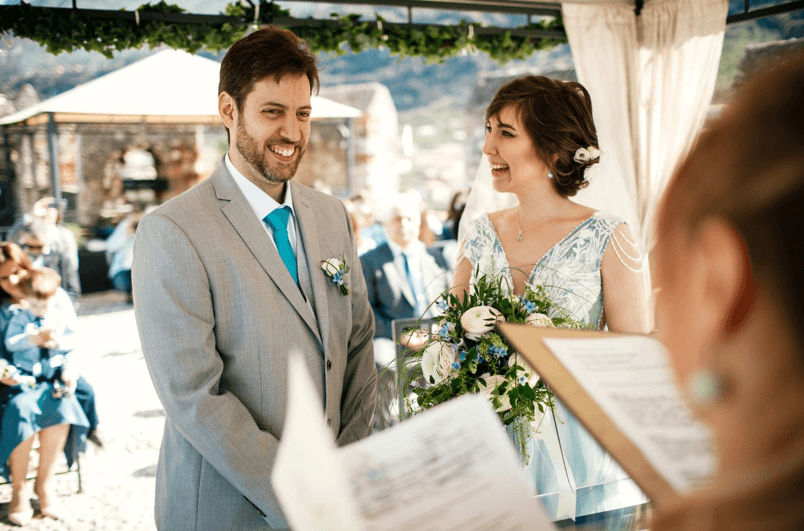
- Weddings: Select flowers that complement the ceremony, reception decor, and chosen colour palette.
- Corporate events: Use simple, balanced arrangements that look professional and suit the venue.
- Engagement parties: Choose coordinated flowers for dining tables, welcome areas, and photo backdrops.
- Housewarming celebrations: Consider versatile arrangements that can become part of the recipient’s home decor.
The purpose of the event should guide your choices rather than the size or complexity of the arrangement alone.
2. Choose Flowers That Suit Your Event Theme
A consistent theme can make an event look organised and visually appealing. Flowers are useful for connecting different decorative elements, including table linens, lighting, invitations, centrepieces, and venue furnishings.
For a modern event, white flowers, green foliage, and simple containers can create a clean appearance. A garden inspired celebration may suit softer colours, mixed blooms, and relaxed arrangements. Formal occasions often benefit from coordinated colours and more structured designs.
When choosing flowers for your event, consider the following:
Classic and elegant themes
White roses, cream flowers, and subtle greenery can suit formal dinners, engagement celebrations, and milestone anniversaries. Glass or ceramic vases can complete the look without drawing too much attention away from the flowers.
Bright and festive themes
Yellow, orange, coral, and pink flowers can introduce energy into birthday parties, family celebrations, and informal gatherings. These colours can work particularly well when combined with simple table decorations.
Natural and garden inspired themes
Mixed flowers, greenery, and arrangements with varied heights can complement outdoor celebrations and relaxed venues. Choose containers that suit the surrounding materials and decor.
Contemporary themes
A limited colour palette, distinctive flower shapes, and clean container designs can create a modern appearance. These arrangements are suitable for many business functions, private dinners, and stylish celebrations.
Keeping the theme consistent helps the flowers look like an intentional part of the event rather than separate decorative pieces.
3. Consider the Venue and Available Space
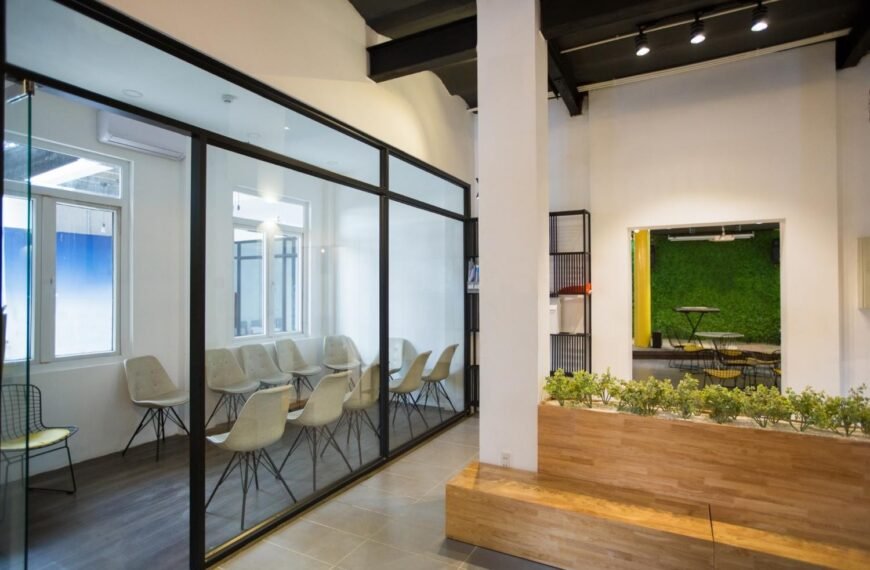
The venue has a significant influence on which floral arrangements will work best. A large reception hall may require fuller displays to fill open spaces, while a small restaurant room or private dining area may look better with compact centrepieces.
In Sydney, events can take place in homes, restaurants, hotels, gardens, waterfront locations, and dedicated function spaces. Each setting has different practical considerations.
For indoor venues, examine the table layout, ceiling height, lighting, and available surfaces. For outdoor events, consider wind, temperature, direct sunlight, and the stability of vases or containers.
Keep these points in mind when planning the floral decorations:
- Measure tables and other surfaces before ordering arrangements.
- Avoid displays that block entrances, walkways, or important views.
- Choose centrepieces that allow guests to see one another.
- Consider the amount of natural light available at the venue.
- Check whether the venue has rules about decorations and installation.
- Make sure larger displays can be transported and positioned safely.
A beautiful arrangement should complement the venue while allowing guests to move around comfortably.
4. Decide Between Fresh and Artificial Flowers
One of the most important decisions when planning event decorations is whether to use fresh flowers, artificial flowers, or a combination of both.
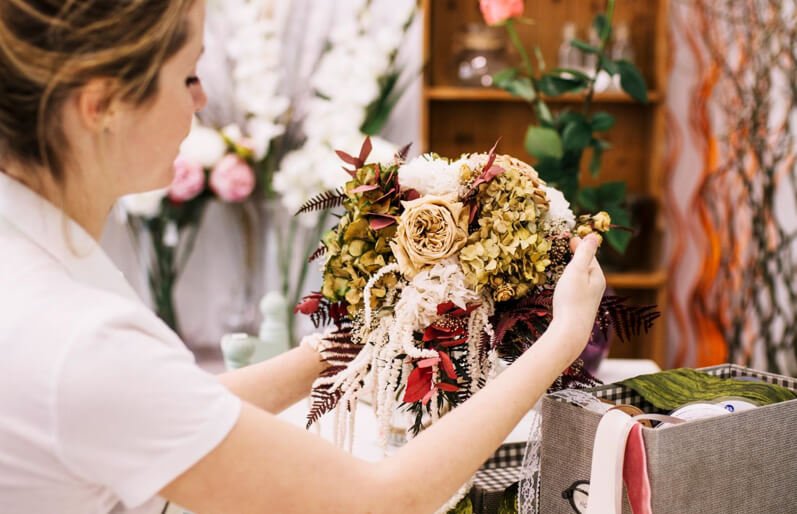
Fresh flowers offer natural fragrance, delicate textures, and seasonal variety. They can be suitable for occasions where scent and the natural character of the blooms are important. However, they may require careful handling, suitable storage, and timely delivery to maintain their appearance.
Artificial flowers provide a different set of benefits. They can be prepared in advance, reused for multiple occasions, and selected without relying as heavily on seasonal availability. They can also be practical for venues where arrangements need to remain in place for an extended period.
When comparing the options, consider:
- Appearance: Fresh flowers offer natural variation, while high quality artificial flowers can provide a consistent decorative look.
- Maintenance: Fresh blooms may require water and temperature control. Artificial displays generally need dusting and careful handling.
- Timing: Artificial arrangements can often be prepared well ahead of the event.
- Reuse: Artificial flowers may be stored and reused if they remain in good condition.
- Budget: Costs depend on flower types, arrangement size, design complexity, and the number of displays required.
For some occasions, a combination may work well. Fresh flowers can be used for focal displays, while artificial arrangements provide additional decoration in less prominent areas.
5. Select the Right Colours for the Celebration
Colour can influence the atmosphere of an event and help bring together different decorations. The most suitable combination depends on the occasion, venue, time of day, and personal preferences.
White and cream arrangements can create a refined appearance for formal events. Pink and peach flowers may suit birthdays, anniversaries, and engagement parties. Yellow and orange blooms can make informal celebrations feel bright and cheerful.
For a coordinated event, select two or three main colours and use them consistently across the floral displays and other decorations.
For example, a celebration with neutral table linens may benefit from pink flowers and green foliage. A venue with darker furniture might suit cream flowers with burgundy accents. Outdoor garden events can use a wider range of colours when the surrounding plants and landscape provide a natural backdrop.
It is also important to consider the venue’s existing colour scheme. Flowers should complement the room rather than clash with prominent furnishings or wall colours.
If you are uncertain about the final combination, request photographs or sample arrangements before confirming a larger order.
6. Choose Centrepieces That Encourage Conversation
Table centrepieces are often one of the most noticeable floral elements at an event. However, an arrangement that is too tall or wide can make it difficult for guests to see one another or reach across the table.
The ideal centrepiece should suit the table’s dimensions and leave enough room for plates, drinks, serving dishes, and other essentials.
For round tables, a compact arrangement placed in the centre can create a balanced look. Rectangular tables may suit a long display or a series of smaller arrangements spaced evenly along the surface.
Consider these options:
- Low arrangements with roses, mixed flowers, or greenery.
- Small vases containing a few coordinated stems.
- Long, narrow displays for larger rectangular tables.
- Minimal arrangements for corporate dinners and formal functions.
- Seasonal floral designs that complement the event’s colour scheme.
For a seated dinner, make visibility a priority. If you prefer tall arrangements, check that their shape and placement will not interfere with conversations.
The most effective centrepiece is one that adds beauty without reducing the comfort of the guests.
7. Plan Floral Decorations for Weddings and Engagements
Weddings and engagement celebrations often require several different floral elements. These may include ceremony decorations, reception centrepieces, welcome table arrangements, entrance displays, and flowers for photography areas.
Because these elements appear in different parts of the venue, they should share a consistent style or colour palette.
Begin by identifying the areas where flowers will have the greatest visual impact. For a wedding ceremony, this might include the entrance or the location where the couple will exchange vows. At a reception, the dining tables and main display area may deserve more attention.
Before finalising the arrangements, consider:
- The ceremony and reception locations.
- The event’s main colour palette.
- The number and size of guest tables.
- The duration of the celebration.
- The transportation and setup requirements.
- Whether arrangements can be reused between event spaces.
Artificial flowers may be useful when decorations need to be prepared in advance or moved from one location to another. Fresh flowers may be preferred for particular focal displays.
Planning these details early helps create a coordinated result and reduces last minute decisions.
8. Explore Floral Options for Corporate Events
Corporate events often require decorations that look professional without distracting from the purpose of the gathering. Product launches, networking functions, conferences, award ceremonies, and business dinners can all benefit from carefully selected floral displays.
The style should reflect the venue and the organisation’s desired atmosphere. Neutral colours and structured arrangements may suit formal business settings, while more colourful designs can work for creative celebrations or informal networking events.
For conferences, flowers can be placed at reception desks, registration areas, or selected tables. For business dinners, smaller centrepieces can provide decoration without interfering with conversations.
When selecting flowers for corporate occasions, keep the following principles in mind:
- Use a consistent colour scheme throughout the venue.
- Choose arrangements that suit the size of the room.
- Avoid displays that obstruct presentation screens or signage.
- Consider the setup and removal schedule.
- Select stable containers that are appropriate for busy event spaces.
- Keep arrangements neat and proportionate to surrounding furniture.
A well planned floral display can help create a welcoming atmosphere for clients, employees, and guests.
9. Set a Practical Budget for Your Floral Arrangements
Event flowers can vary considerably in price. The final cost depends on the flower varieties, size of each arrangement, number of displays, container choices, delivery requirements, and installation needs.
Establishing a budget before making selections can help you prioritise the areas that matter most.
Start by listing the floral elements required for the event. These might include table centrepieces, entrance displays, stage decorations, and arrangements for welcome areas. Then decide which displays should receive the largest share of the budget.
You can manage costs by:
- Prioritising the most visible areas of the venue.
- Choosing a coordinated colour palette that works across several arrangements.
- Using smaller centrepieces where large displays are unnecessary.
- Considering reusable artificial flowers for suitable applications.
- Asking for a clear breakdown of design, delivery, setup, and other charges.
- Confirming quantities before finalising the order.
A limited budget does not mean that the venue must lack decorative appeal. A few well placed arrangements can make a stronger impression than numerous displays that do not work together.
10. Arrange Delivery and Setup in Advance
Even carefully selected flowers can create unnecessary stress if they arrive too late or are difficult to install. Delivery and setup should therefore be part of the event planning process from the beginning.
Confirm the event date, venue address, access arrangements, delivery window, and any restrictions on installation. If the venue has a specific schedule for suppliers, share it with the florist or decoration provider.
For artificial arrangements, check that the flowers are securely assembled and protected during transport. For fresh flowers, confirm the handling and storage requirements so the blooms remain in good condition until the event begins.
Before the event, verify the following details:
- The number of arrangements ordered.
- The colours and styles agreed upon.
- The delivery time and contact person.
- The placement of each display.
- The stability of vases and containers.
- Any collection or removal requirements after the event.
Taking care of these details in advance allows you to focus on the celebration itself rather than resolving avoidable decoration problems.
11. Find Flower Arrangements in Sydney That Match Your Needs
When comparing flower arrangements in Sydney, focus on the requirements of your event rather than choosing a design based only on a photograph. An arrangement that looks attractive online may be too large for your venue or unsuitable for your table layout.
Start by gathering information about the available designs, materials, sizes, and customisation options. If you are ordering for a wedding or a large corporate function, ask whether the provider can prepare a coordinated collection of arrangements.
It is also useful to check delivery availability, setup services, and the amount of notice required for larger orders. These details can influence the overall cost and the practicality of your selection.
Before confirming an order, make sure you understand what is included. Ask about vase hire, delivery charges, installation, and any conditions relating to cancellations or changes.
Taking time to compare suitable options can help you select floral decorations that meet your expectations and fit the event’s budget.
Frequently Asked Questions
1. How do I choose flowers for a special event?
Consider the occasion, venue, colour scheme, budget, and desired atmosphere. Choose arrangements that complement the setting and suit the practical requirements of the event.
2. Are artificial flowers suitable for formal events?
Yes. High quality artificial flowers can be used for weddings, corporate functions, anniversaries, and other formal occasions. Their appearance and suitability depend on the quality of the materials and the design of the arrangement.
3. How far in advance should I organise event flowers?
For larger occasions such as weddings and corporate functions, it is sensible to begin planning several weeks or months ahead, depending on the scale of the event. Smaller gatherings may require less preparation time. Confirm availability and delivery arrangements early.
4. Which flowers are suitable for dining table centrepieces?
Roses, hydrangeas, mixed seasonal flowers, and greenery can all work well. Choose a design that is proportionate to the table and does not obstruct guests’ views.
5. Can I reuse artificial flower arrangements after an event?
Yes. If the arrangements remain in good condition, they can be cleaned, carefully stored, and reused for future celebrations or home decoration.
6. What should I consider when ordering event flowers in Sydney?
Consider the event date, venue location, arrangement sizes, colour preferences, delivery options, setup requirements, and overall budget. Confirm all details before placing the order.
Final Thoughts
Selecting the right floral decorations can help make a special occasion more inviting and visually coordinated. By considering the event theme, venue, colour palette, arrangement size, and practical requirements, you can choose flowers that complement the celebration without creating unnecessary complications.
When exploring flower arrangements in Sydney, take time to compare styles and clarify delivery, setup, and pricing details. Whether you prefer fresh blooms, reusable artificial displays, or a combination of both, thoughtful planning can help you create an attractive setting for your guests.
The best floral arrangement is one that reflects the occasion, suits the venue, and allows everyone to enjoy the celebration comfortably.