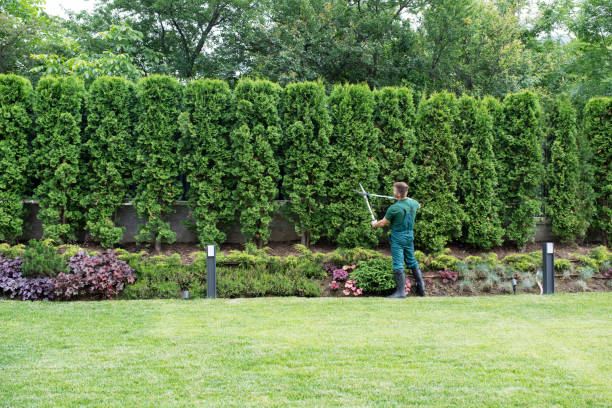
A well-designed lawn can do much more than provide a patch of green around a property. It can shape the way outdoor spaces are experienced, improve curb appeal, create room for recreation, and connect different landscape features into a cohesive environment. When lawn landscaping is planned thoughtfully, even an ordinary yard can become a more inviting and functional extension of the home.
Unlike a basic lawn installation, landscaping focuses on the relationship between grass, planting areas, walkways, outdoor living spaces, drainage, trees, and other property features. The objective is to create an outdoor setting that looks intentional while remaining practical to maintain.
Whether your property has a compact front yard, a spacious backyard, or an established landscape that needs a fresh direction, thoughtful lawn landscaping can provide a meaningful visual and functional refresh.
The Value of Thoughtful Lawn Landscaping
A landscape should complement the property rather than compete with it. The shape of the lawn, placement of planting beds, pathways, and outdoor features can influence the appearance of the entire exterior.
Careful planning can also make maintenance easier by giving each section of the property a clear purpose.
Improving Curb Appeal
The front lawn is often one of the first features people notice when approaching a property. A healthy lawn with defined edges, balanced planting areas, and a clean layout can create an inviting first impression.
Small changes such as reshaping lawn borders, adding complementary plants, or improving transitions between grass and hardscape can make a significant difference.
Creating a More Usable Yard
A well-planned lawn can provide flexible outdoor space for relaxing, entertaining, playing, gardening, or simply enjoying the surrounding environment.
Instead of treating the lawn as leftover space between other features, landscaping can give it a deliberate role within the overall property design.
Planning the Landscape Around the Property
Every outdoor area has different dimensions, light conditions, soil characteristics, architecture, and usage patterns. A thoughtful landscaping strategy begins by considering these factors together.
Evaluating the Existing Space
Before making changes, it can be helpful to assess what is already working and what is not. Existing trees, shrubs, slopes, patios, fences, walkways, and drainage patterns can all influence the design.
Some features may be worth preserving, while others may need to be relocated or redesigned.
Defining Different Outdoor Zones
A larger yard can become more functional when divided into distinct areas. One section might serve as an open lawn, another as a garden, and another as an outdoor seating area.
These zones do not have to feel disconnected. Consistent materials, plant selections, lawn shapes, and visual transitions can help create a unified landscape.
Choosing Grass That Fits the Environment
A beautiful lawn depends on selecting grass that can perform under the property’s conditions.
Considering Sunlight Exposure
The amount of sunlight received throughout the day can influence lawn health. Areas beneath mature trees or beside tall structures may have different requirements from open spaces exposed to direct sunlight.
Selecting appropriate grass varieties and planning the landscape around existing shade can help produce more consistent results.
Accounting for Everyday Use
Different households use lawns in different ways. A family may need durable open space for children and pets, while another homeowner may prioritize a highly manicured appearance.
Understanding the intended use can help determine the appropriate lawn design and maintenance approach.
Creating Defined Lawn Edges
Edges provide structure to a landscape. Without clear transitions, grass can gradually spread into planting beds or hardscape areas, making the yard appear untidy.
Designing Clean Transitions
Curved lawn borders can create a softer, natural appearance, while straight lines may complement contemporary architecture. The appropriate shape depends on the style of the property and the surrounding landscape.
Well-defined borders can also make mowing and trimming more efficient.
Combining Grass With Planting Beds
Planting beds can be positioned strategically around the lawn to add color, texture, and seasonal interest. Shrubs, ornamental grasses, flowering plants, and trees can frame open lawn areas while creating visual depth.
The key is balance. Too many small planting areas can make a yard feel fragmented, while thoughtfully sized beds can strengthen the overall design.
Enhancing Outdoor Living Areas
Modern lawn landscaping often extends beyond traditional garden design. Homeowners increasingly want outdoor spaces that function as additional living areas.
Connecting the Lawn With Patios
A lawn can act as a transition between the home and an outdoor patio. Pathways or carefully planned lawn edges can create a natural connection between these spaces.
The arrangement should consider how people move through the yard and where they are most likely to gather.
Creating Comfortable Gathering Spaces
Outdoor seating, dining areas, fire features, or shaded areas can be integrated into the landscape. The lawn can provide visual openness around these features while maintaining enough flexible space for other activities.
Thoughtful placement ensures that outdoor features enhance the property rather than overwhelming the available yard.
Using Trees and Plants to Add Character
Plants can transform a lawn from a simple green surface into a dynamic landscape. Different heights, textures, colors, and seasonal characteristics can provide interest throughout the year.
Adding Shade Naturally
Trees can provide valuable shade while also creating a strong visual anchor. When positioned carefully, they can make outdoor areas more comfortable and contribute to the overall character of the property.
However, mature tree size and root growth should be considered when determining placement.
Creating Seasonal Interest
A combination of evergreen plants, flowering shrubs, ornamental grasses, and seasonal flowers can keep the landscape visually interesting throughout different times of the year.
Plant selections should be suited to local growing conditions and the level of maintenance the homeowner is prepared to provide.
Addressing Drainage Through Landscape Design
Water management is an important part of successful lawn landscaping. Areas that remain consistently wet or dry may indicate grading or drainage issues that should be addressed as part of the overall plan.
Improving Surface Water Flow
Appropriate grading can help guide water away from structures and toward suitable drainage areas. Lawn contours and planting beds can be designed to work with the property’s existing water patterns.
Avoiding Persistent Water Problems
Standing water can damage grass and create muddy conditions. If a yard repeatedly experiences drainage problems, simply replacing the lawn may not solve the underlying issue.
A landscape assessment can help identify whether grading, soil conditions, or additional drainage measures need attention.
Choosing Materials That Complement the Lawn
Hardscape elements can provide structure and contrast within a lawn landscape. Walkways, edging, retaining features, patios, and decorative elements should complement rather than dominate the green space.
Coordinating Hardscape and Planting
Material colors and textures can be selected to work with the home’s exterior and surrounding vegetation. Natural stone, concrete, brick, wood, and other materials can create different visual effects.
Repeating selected materials in several areas can create continuity throughout the landscape.
Creating Practical Pathways
Pathways should be positioned according to how the property is actually used. A well-placed walkway can reduce unnecessary traffic across planting areas and direct visitors naturally toward entrances, patios, gardens, or other destinations.
See also: How UK Businesses Can Save Money on Business Gas Contracts
Designing for Manageable Maintenance
A beautiful landscape should also be realistic to maintain. The best designs consider how much time, effort, and resources the homeowner wants to devote to outdoor care.
Choosing Low-Maintenance Features
Appropriate plant selection, efficient lawn shapes, durable edging, mulch areas, and strategically placed hardscape can reduce maintenance requirements.
This does not mean eliminating plants or lawn. Instead, it means designing the property so that routine maintenance is manageable.
Planning Irrigation Carefully
Consistent watering is important for lawn health, especially during periods of limited rainfall. An appropriately designed irrigation system can help distribute water more efficiently.
Watering schedules should be adjusted according to weather, season, soil conditions, and plant requirements rather than following a fixed routine year-round.
Refreshing an Established Landscape
A complete redesign is not always necessary. Existing yards can often be refreshed through targeted improvements.
Updating Tired Lawn Areas
Worn or thin lawn sections may benefit from soil improvement, reseeding, aeration, or selective replacement depending on the cause of the problem.
Addressing the underlying reason for poor growth can produce better results than simply adding new grass.
Modernizing Planting Areas
Overgrown shrubs, outdated borders, or crowded beds can make an otherwise attractive lawn feel neglected. Selective pruning, removal, replacement, and rearrangement can restore balance.
Adding a few carefully chosen plants may have a greater visual impact than filling every available space.
Creating a Landscape That Reflects Your Style
Outdoor design should feel connected to the property’s architecture and the homeowner’s preferences. A formal landscape may feature structured lines and symmetrical planting, while a more relaxed design may use curved borders and naturalistic groupings.
Balancing Beauty With Function
The strongest landscapes combine visual appeal with practical use. A lawn should look attractive but also provide room for movement, recreation, maintenance access, and everyday activities.
When form and function are considered together, the landscape becomes easier to enjoy.
Long-Term Benefits of Professional Lawn Landscaping
Professional landscaping can help property owners approach outdoor improvements as a complete design rather than a series of unrelated projects.
Experienced landscape professionals can evaluate lawn conditions, drainage, plant placement, grading, hardscape connections, and maintenance requirements. This holistic approach can help avoid design conflicts and create a more cohesive result.
A thoughtfully landscaped lawn can also make future improvements easier because the overall property has already been organized into functional areas.
See also: Responsible Technology Development
Conclusion
Thoughtful lawn landscaping can refresh a property without requiring a complete transformation. By carefully considering lawn shape, planting areas, trees, pathways, outdoor living spaces, drainage, and maintenance requirements, homeowners can create an exterior that feels more organized, welcoming, and useful.
The most successful landscape designs are not simply collections of attractive plants and green grass. They are carefully planned environments where each feature has a purpose and contributes to the character of the property.
Whether you are updating an established yard or creating a new outdoor design, professional planning can help turn available space into something more functional and visually appealing. With the right combination of healthy lawn areas, complementary planting, practical hardscape, and manageable maintenance, your property can enjoy a refreshed outdoor environment that remains inviting across changing seasons and for years to come.