A shower is one of the most frequently used features in a home, which makes its design and construction especially important. An outdated shower can affect more than the appearance of a bathroom. Poor storage, inconvenient controls, worn surfaces, inadequate lighting, and difficult-to-clean materials can make everyday routines less comfortable. Working with experienced shower contractors can help homeowners address these concerns while ensuring that the installation meets both design and functional requirements.
A well-planned shower renovation offers an opportunity to solve these issues while creating a stylish space designed to perform reliably for years. Rather than focusing only on visual upgrades, modern shower renovations can combine attractive finishes with practical layouts, durable materials, effective water management, and thoughtful features. Professional shower contractors can also help with material selection, installation details, and solutions that improve comfort and usability.
The result can be a shower that feels contemporary without sacrificing the strength and functionality needed for daily use. With careful planning and quality workmanship, homeowners can create a space that looks refined, remains easy to maintain, and supports changing needs over time.
Why a Shower Renovation Can Transform a Bathroom
The shower often occupies a significant portion of the bathroom and naturally draws attention. Updating this area can therefore make a noticeable difference to the entire room.
A renovation can address problems that may have developed over time, including damaged tile, outdated fixtures, insufficient storage, poor drainage, or an inefficient layout. It can also introduce features that improve comfort and convenience.
Addressing Common Shower Problems
Older showers may have cracked grout, deteriorated sealants, limited shelving, or fixtures that no longer perform efficiently. These issues can become increasingly frustrating with regular use.
A renovation provides the opportunity to evaluate the shower as a complete system rather than simply replacing one visible component. Drainage, waterproofing, wall surfaces, fixtures, ventilation, and storage can all be considered together.
Creating a More Enjoyable Daily Routine
Small design improvements can have a surprisingly large impact. Convenient controls, accessible shelves, comfortable shower dimensions, appropriate lighting, and reliable water flow can make the shower easier and more pleasant to use.
The best renovations are designed around actual routines rather than simply replicating a showroom appearance.
Designing a Shower Layout Around Available Space
Every bathroom has different dimensions and architectural characteristics. A shower renovation should work with the available space while making it feel as open and useful as possible.
Choosing the Right Shower Configuration
Depending on the room, homeowners may consider walk-in showers, corner configurations, alcove designs, or larger custom arrangements. The appropriate option depends on the bathroom’s layout, household requirements, and desired aesthetic.
A well-planned configuration can improve movement within the bathroom while providing enough room for comfortable showering.
Improving Movement and Accessibility
Clear entry points and sufficient interior space can make a shower easier to use. Homeowners planning for long-term comfort may also consider low-threshold entries, strategically positioned controls, handheld shower components, and other accessibility-focused features.
These elements can be incorporated into an elegant design without compromising the overall appearance.
Selecting Materials for Style and Durability
Shower surfaces must withstand constant exposure to water, cleaning products, humidity, and temperature changes. For this reason, material selection should involve both aesthetic and performance considerations.
Exploring Tile Options
Tile remains a popular choice because it offers a wide range of colors, patterns, textures, and sizes. Large-format tile can create a streamlined appearance with fewer visual interruptions, while smaller tile can provide texture and design flexibility.
Stone-inspired porcelain, subtle geometric patterns, textured surfaces, and classic neutral tones can create a sophisticated appearance without relying on overly temporary trends.
Choosing Materials That Are Easy to Maintain
A beautiful shower should not require excessive effort to keep clean. Materials with suitable moisture resistance and surfaces that are relatively easy to maintain can help preserve the appearance of the renovation.
Thoughtful grout selection, appropriate sealing where required, and professional installation can also contribute to long-term performance.
Building a Strong Waterproofing Foundation
Behind every attractive shower surface is a system designed to manage water effectively. Waterproofing is one of the most important aspects of a shower renovation because hidden moisture can create serious problems over time.
Protecting the Structure Behind the Finish
A properly designed waterproofing system helps prevent water from reaching areas where it can cause deterioration. Shower walls, floors, corners, joints, and penetrations all require careful attention.
This is an area where quality installation matters significantly. A visually impressive shower cannot be considered a successful renovation if the underlying water-management system is inadequate.
Planning Proper Drainage
Water should move efficiently toward the drain rather than collecting in unwanted areas. The shower floor must be designed with appropriate slope and drainage considerations.
Effective drainage supports both comfort and long-term maintenance while reducing the potential for standing water.
Creating a Stylish Shower With Glass Enclosures
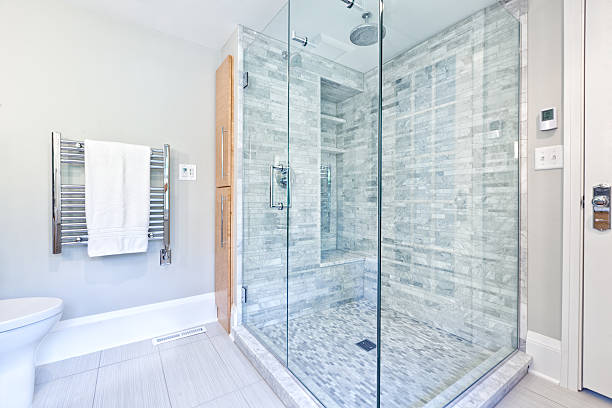
Glass can dramatically change the visual character of a shower. Clear enclosures can make a bathroom feel more open by reducing visual barriers between the shower and the rest of the room.
Frameless and Minimalist Approaches
Minimal framing can complement contemporary bathroom designs by emphasizing clean lines and allowing tilework to remain visible.
The choice of enclosure should consider the bathroom’s layout, available clearance, hardware style, and maintenance preferences.
Selecting Complementary Hardware
Handles, hinges, shower controls, and other visible components can contribute to the overall design. Coordinating these elements with the bathroom’s faucets, cabinet hardware, and lighting can create a more unified appearance.
A carefully selected hardware finish can serve as a subtle design feature without overwhelming the room.
Enhancing the Shower With Smart Storage
Storage is one of the most useful upgrades a shower can receive. Bottles and personal-care products can quickly create clutter if there is nowhere convenient to place them.
Built-In Shower Niches
Recessed niches can provide integrated storage without taking up valuable floor space. They can also become a design feature when finished with contrasting tile or a complementary material.
Their dimensions and placement should be considered based on the products the household actually uses.
Corner Shelves and Bench Storage
Depending on the shower configuration, corner shelves or built-in benches can provide additional functionality. A bench may offer seating, support accessibility, and create a convenient place to store items.
However, storage should be incorporated carefully so that it does not reduce comfortable showering space.
See also: How UK Businesses Can Save Money on Business Gas Contracts
Choosing the Right Shower Fixtures
Fixtures influence both the appearance and performance of a shower. Homeowners can select from a variety of configurations based on their preferences and household needs.
Combining Fixed and Handheld Components
A fixed showerhead can provide a familiar showering experience, while a handheld component can add flexibility for rinsing, cleaning, or accessibility.
When combined thoughtfully, these components can improve convenience without creating a cluttered appearance.
Selecting Convenient Controls
Controls should be positioned where they are easy to access and operate. Their placement can also influence safety and comfort.
During renovation planning, it is useful to consider how users enter the shower, where they stand, and how easily they can reach controls without stepping directly into the water stream.
Using Lighting to Improve the Shower Experience
Lighting can make a shower feel larger, safer, and more inviting. Because bathrooms combine grooming and relaxation activities, lighting should be both practical and visually pleasing.
Creating Effective Illumination
Adequate overhead or recessed lighting can provide general visibility, while additional fixtures may highlight architectural details or specific areas.
The lighting plan should also take into account the materials used in the shower. Glossy, textured, dark, or light surfaces can interact differently with illumination.
Adding a Relaxing Atmosphere
Subtle accent lighting can contribute to a spa-inspired atmosphere. When combined with calming colors, clean surfaces, and natural textures, lighting can help turn the shower into a more relaxing part of the daily routine.
Designing for Easy Cleaning and Maintenance
Long-term satisfaction depends partly on how easy the shower is to care for. A design that looks impressive on installation day should also remain manageable as the years pass.
Reducing Unnecessary Complications
Simple, well-coordinated surfaces can reduce visual clutter and make cleaning easier. Large-format surfaces may also reduce the number of grout joints, depending on the selected material and installation requirements.
Shower hardware should likewise be selected with maintenance in mind.
Maintaining the Finished Shower
Even high-quality materials require appropriate care. Regular cleaning, attention to sealants where applicable, and prompt repair of damaged components can help preserve the shower’s appearance and performance.
Following manufacturer recommendations for specific materials is an important part of long-term maintenance.
Creating a Shower That Supports Future Needs
A remodeling project is a chance to consider not only today’s preferences but also future comfort.
Incorporating Flexible Features
Handheld shower systems, comfortable entry designs, integrated seating, well-positioned controls, and adequate interior space can make the shower useful for a wider range of circumstances.
Planning these features from the beginning can be easier and more cost-effective than attempting to add them later.
Balancing Accessibility and Style
Accessibility does not require sacrificing sophistication. Modern materials, streamlined fixtures, attractive grab-bar options, and carefully planned layouts can combine safety with a polished visual aesthetic.
The result can be a shower that feels welcoming and contemporary while supporting long-term usability.
Why Professional Installation Matters
A shower renovation involves many interconnected components. Tile, waterproofing, plumbing, drainage, glass, fixtures, and finishing details all need to work together.
Coordinating Multiple Elements
Professional project coordination can help ensure that each stage is completed in the appropriate sequence. This is especially important for waterproofing and finish installation, where mistakes can have consequences beyond appearance.
Focusing on Precision
Accurate measurements, consistent tile alignment, properly installed fixtures, clean transitions, and carefully finished edges contribute to the quality of the final result.
Attention to these details can help distinguish a durable shower renovation from a simple cosmetic update.
Building Long-Term Value Into the Renovation
A shower renovation can improve the everyday experience of using a bathroom while contributing to the overall appeal of the home. Durable materials, thoughtful design, and quality construction can make the improvement valuable well beyond its initial visual impact.
Rather than choosing features solely because they are popular at the moment, homeowners can focus on a combination of comfort, performance, and lasting style.
Conclusion
A stylish shower should be more than an attractive feature. It should be a carefully planned part of the bathroom that delivers comfort, durability, convenient storage, efficient water management, and easy maintenance.
From the shower layout and waterproofing system to tile, glass, fixtures, lighting, and accessibility features, every component contributes to the final result. Choosing materials with long-term performance in mind and investing in careful installation can help ensure that the renovation continues to look and function well for years.
With the right balance of contemporary design and practical construction, a shower can become one of the most impressive and useful features in the home. A well-executed renovation does not simply update an outdated space—it creates a dependable, comfortable environment designed for everyday living and lasting enjoyment.