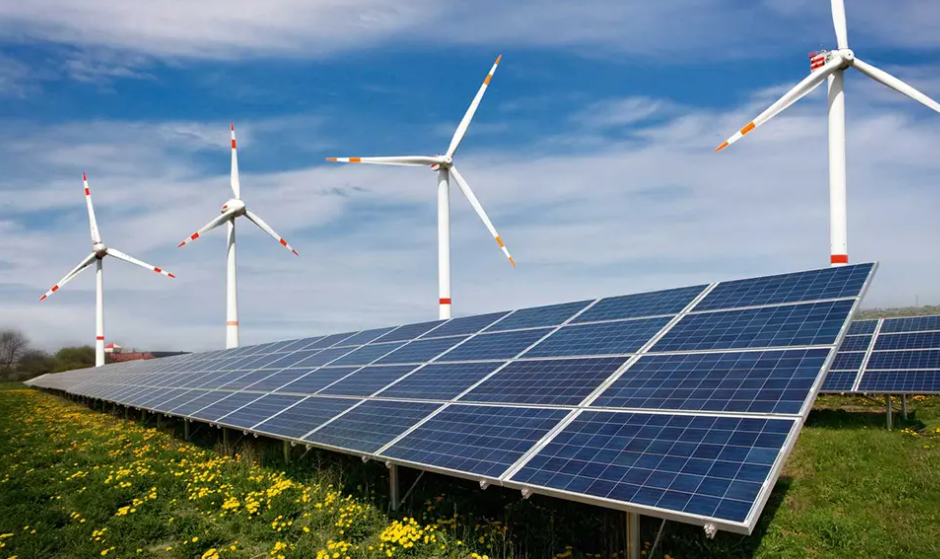
Renewable energy technologies play a crucial role in addressing global energy demands sustainably. They utilize natural resources to produce power while minimizing environmental impact. Prominent methods include solar, wind, hydropower, biomass, and geothermal energy. Each technology presents unique advantages and challenges. Understanding these innovations can provide insights into their potential for transforming the energy landscape. What implications do these advancements hold for the future of energy consumption and environmental conservation?
Solar Energy Technologies
Solar energy technologies have emerged as a pivotal component in the transition to sustainable energy systems.
Recent photovoltaic advancements have significantly enhanced solar panel efficiency, enabling greater energy capture and conversion. These improvements not only lower costs but also accelerate the adoption of solar power, empowering individuals and communities to harness clean energy.
Consequently, solar technologies play a vital role in fostering energy independence and sustainability.
Wind Energy Solutions
Wind energy solutions represent a significant advancement in the renewable energy landscape, complementing the progress made in solar technologies.
Recent wind turbine advancements have enhanced efficiency and reduced costs, making wind power more accessible.
Furthermore, the expansion of offshore wind facilities offers vast potential, harnessing stronger and more consistent winds, thereby contributing to a cleaner, sustainable energy future that promotes autonomy and environmental stewardship.
See also: Remote Work Technology Tools
Hydropower Innovations
Although hydropower has long been a staple of renewable energy, recent innovations are redefining its potential and efficiency.
Advances in turbine efficiency have led to increased energy output from existing systems, while improved hydroelectric storage solutions enable better integration with other renewable sources.
These developments not only enhance energy reliability but also empower communities to harness hydropower more effectively, promoting sustainable independence.
Biomass and Geothermal Energy
Biomass and geothermal energy represent two vital components of the renewable energy landscape, each offering unique pathways for sustainable power generation.
Biomass conversion transforms organic materials into energy, reducing waste and reliance on fossil fuels. In contrast, geothermal heating harnesses the Earth’s internal heat, providing a consistent energy source.
Together, they contribute significantly to energy independence and environmental sustainability.
Conclusion
In conclusion, renewable energy technologies stand as a beacon of hope in the quest for a sustainable future. By harnessing the power of nature—from the sun’s radiant rays to the relentless flow of water—these innovations not only curtail dependence on fossil fuels but also foster environmental stewardship. As the world increasingly embraces these clean energy solutions, the shift towards a more resilient and eco-friendly energy landscape becomes not just a possibility, but an imperative.