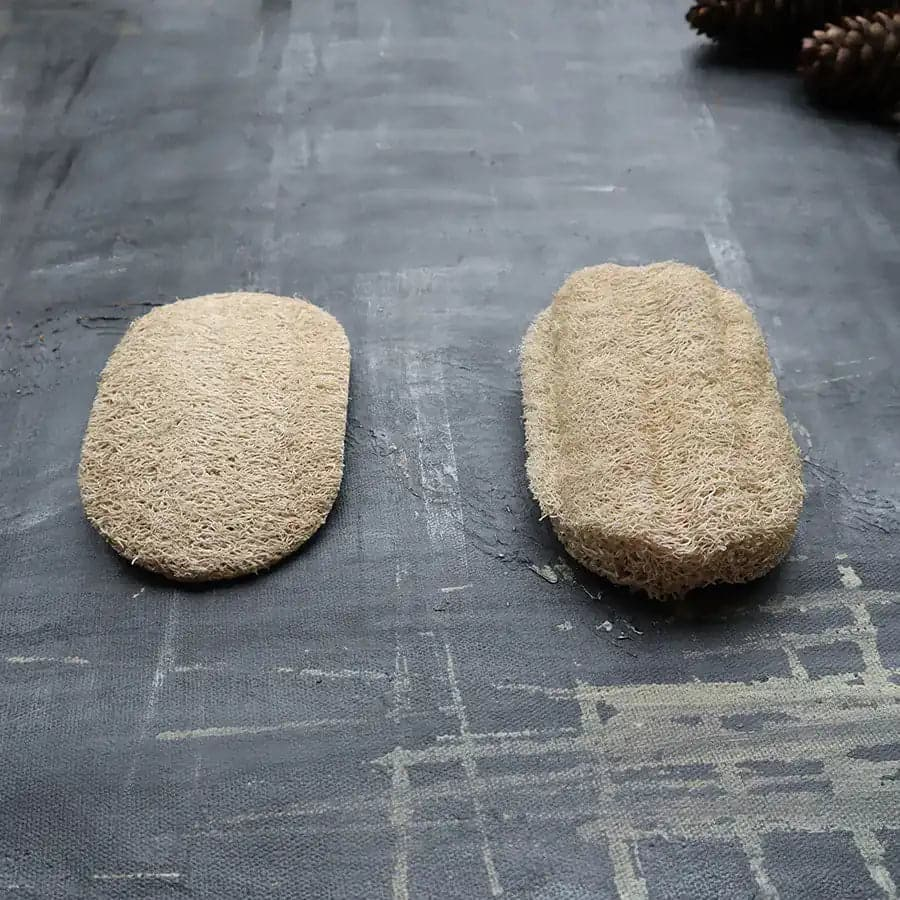
A kitchen sponge is one of the most frequently used cleaning items in a household. From washing breakfast dishes to wiping away spills on countertops, it handles a surprising number of everyday tasks. Yet conventional sponges often wear out quickly, and some are made from synthetic materials that are difficult to recycle through ordinary household programs.
Eco-friendly kitchen sponges offer an alternative for people who want to reconsider the materials they use for daily cleaning. Options include plant-based cellulose sponges, natural loofah scrubbers, and other products made with renewable or biodegradable materials. Each has its own advantages, limitations, and care requirements.
Understanding how these products differ can help you choose a sponge that suits your kitchen, cleans effectively, and fits your approach to reducing household waste.
What Are Eco-Friendly Kitchen Sponges?
Eco-friendly kitchen sponges are cleaning products designed with one or more environmental considerations in mind. These may include renewable raw materials, reduced synthetic content, less packaging, or the potential to biodegrade under appropriate conditions.
The term covers several different materials rather than one specific type of sponge. Some products are made from cellulose derived from plant fibers, while others use loofah or other natural materials. Certain sponges combine multiple materials to balance absorbency, scrubbing ability, and durability.
It is important to examine product details rather than relying on labels alone. A sponge described as natural or biodegradable may contain additional components, such as synthetic backing or adhesives, that affect how it should be disposed of.
The best choice depends on what you need to clean, how often you use the sponge, and whether you can maintain it properly.
Why Consider an Eco-Friendly Dish Sponge?
Switching to a different sponge material may seem like a small change, but cleaning products are used repeatedly throughout the year. Selecting a product that aligns with your household priorities can be a practical starting point for reducing waste.
1. Exploring Alternatives to Synthetic Materials
Some conventional kitchen sponges contain synthetic materials that may persist in the environment after disposal. Plant-based alternatives provide another option for people who prefer to reduce their reliance on these materials.
However, the environmental impact of any sponge depends on its complete life cycle, including how its materials are grown or manufactured, how long it lasts, and what happens after use.
A natural material is not automatically the most sustainable option in every circumstance. Durability and responsible use also matter.
2. Different Options for Different Cleaning Jobs
Eco-conscious sponges come in a variety of textures. Soft cellulose sponges can be useful for wiping surfaces and washing everyday dishes, while loofah scrubbers offer a firmer texture for selected cleaning tasks.
Having a suitable sponge for a particular job may reduce the temptation to use an overly abrasive tool on delicate cookware.
3. Potentially Less Packaging
Some reusable and plant-based cleaning products are sold with minimal packaging. This can appeal to households trying to reduce unnecessary wrapping and disposable materials.
Packaging varies by manufacturer, so check the product information before assuming that a particular sponge is plastic-free or packaged sustainably.
4. A More Deliberate Cleaning Routine
Choosing an eco-conscious sponge can encourage better habits, such as separating cleaning tools by purpose, allowing them to dry between uses, and replacing them when they are no longer hygienic or effective.
These habits are important regardless of the material you choose.
Common Types of Eco-Friendly Kitchen Sponges
Different materials have different strengths. Understanding their characteristics makes it easier to choose a sponge for everyday use.
Cellulose Sponges
Cellulose sponges are made primarily from plant-derived cellulose. They are generally known for their absorbency and soft texture when wet.
These sponges can be useful for wiping countertops, cleaning spills, and washing dishes that do not require heavy scrubbing. Their flexibility makes them convenient for reaching around curved surfaces.
Some cellulose sponges are designed to biodegrade under suitable conditions, but the full product composition matters. Synthetic additives, colored coatings, or attached scrubbing layers can affect disposal options.
Before composting or disposing of a cellulose sponge, review the manufacturer’s guidance and your local waste rules.
Natural Loofah Sponges
Loofah scrubbers are made from the fibrous interior of a mature loofah plant. Once processed, the material creates a textured surface that can help remove food residue from suitable dishes and kitchen items.
A natural loofah dish sponge may appeal to shoppers who prefer plant-based cleaning tools. Its texture can provide more friction than a soft cellulose sponge, although it may not be appropriate for every surface.
Loofah needs to be rinsed thoroughly and dried between uses. As with other porous cleaning tools, trapped food residue and persistent moisture can create hygiene concerns.
Plant-Based Scrubbing Sponges
Some kitchen sponges combine an absorbent base with a separate scrubbing surface made from plant-derived fibers or other materials.
These products are intended to provide both everyday cleaning and additional scrubbing power. Their environmental characteristics depend on all the components, not just the main sponge.
Check whether the scrubbing layer is attached with adhesives, contains synthetic fibers, or requires special disposal. Product descriptions can help clarify what the sponge is made from and which cleaning tasks it is intended to handle.
Reusable Dish Scrubbers
Reusable dish scrubbers include washable cloth-based tools and other products designed for repeated use. Although they may not look like traditional sponges, they can serve similar purposes in some kitchens.
Their suitability depends on the material, how easily they can be cleaned, and whether they dry thoroughly between uses.
For many households, combining a washable scrubber with a suitable sponge can provide flexibility without requiring a large collection of cleaning products.
How to Choose the Best Eco-Friendly Kitchen Sponge
The most suitable sponge is one that performs well for your regular cleaning tasks and can be maintained safely.
Consider What You Clean Most Often
Think about the dishes and surfaces you handle every day.
For plates, cups, and general wiping, a soft absorbent sponge may be sufficient. For pots with stubborn residue, you may need a firmer scrubber, provided it is safe for the cookware’s finish.
If you frequently use nonstick pans, delicate glassware, or polished surfaces, choose a product specifically suitable for those materials. Avoid assuming that a natural scrubber will always be gentle.
Check the Material Composition
Read the product details to identify the sponge’s main material and any additional layers. Look for information about synthetic fibers, coatings, adhesives, and care instructions.
If biodegradability is important to you, confirm whether the entire product is biodegradable or only a particular component. The conditions required for decomposition can also vary.
Evaluate Durability
A sponge that breaks down quickly may need frequent replacement, increasing the amount of material you discard.
Look for a product designed for the type of cleaning you perform. Using a soft sponge for heavy-duty scrubbing, for example, may cause premature wear. Matching the sponge to the task can help you use it more effectively.
Consider Comfort and Convenience
The sponge should be comfortable to hold, easy to rinse, and simple to store. If it retains large amounts of water or takes a long time to dry in your kitchen, you may need a better storage arrangement.
A practical design is one you can clean and maintain without adding unnecessary work to your daily routine.
You can compare different options in the eco-friendly kitchen sponges collection at Plantish Future to explore products suited to your dishwashing needs.
How to Use and Care for Kitchen Sponges
Even a well-designed sponge requires regular care. Food residue, moisture, and warmth can create conditions in which unwanted microorganisms multiply.
After washing dishes, rinse the sponge thoroughly to remove detergent and visible food particles. Squeeze out excess water and place it somewhere with good airflow so it can dry between uses.
Avoid leaving a sponge at the bottom of a wet sink or in a container filled with standing water. Replace it when it develops persistent odors, visible deterioration, or damage that makes it difficult to clean.
It is also wise to keep separate tools for different tasks. A sponge used for dishes should not be used to clean drains, rubbish bins, or other heavily contaminated areas.
No cleaning or sanitizing method makes a worn-out sponge suitable for indefinite use. Follow the manufacturer’s instructions, and replace the sponge when necessary.
Common Mistakes to Avoid
A few simple mistakes can reduce the effectiveness of an eco-conscious sponge.
- Assuming every natural sponge is compostable: Check the full material composition and disposal instructions.
- Leaving the sponge wet: Allow it to dry between uses to reduce persistent moisture.
- Using one sponge for every surface: Keep separate tools for food-contact surfaces and particularly dirty areas.
- Scrubbing delicate cookware too aggressively: Match the sponge’s texture to the surface.
- Keeping a damaged sponge for too long: Replace it when it becomes worn or difficult to clean.
- Buying based on environmental labels alone: Consider durability, material composition, packaging, and end-of-life options together.
Can Eco-Friendly Kitchen Sponges Be Composted?
Some sponges made from suitable natural materials may be compostable, but this depends on their exact composition and the conditions available.
A product made entirely from untreated plant-based fibers may have different disposal options from a sponge that includes synthetic layers, adhesives, dyes, or other additives.
Home composting systems also vary in their ability to break down materials. Even if a product is described as biodegradable, that does not necessarily mean it will decompose quickly in a home compost bin or in the natural environment.
Check the manufacturer’s disposal instructions and local composting guidance. If a sponge is not suitable for composting, follow the waste-disposal rules in your area.
Final Thoughts
Eco-friendly kitchen sponges offer several alternatives to conventional cleaning products, including cellulose sponges, natural loofahs, and plant-based scrubbing options. Each material has different characteristics, so the best choice depends on your cleaning needs, the surfaces you wash, and how easily you can maintain the sponge.
Look beyond marketing claims and consider material composition, durability, packaging, cleaning instructions, and disposal options. Rinse your sponge after use, allow it to dry thoroughly, and replace it when it becomes worn or difficult to keep clean.
A thoughtful choice can make everyday dishwashing more convenient while helping you adopt cleaning habits that better reflect your household’s environmental priorities.