A small balcony can offer a welcome place for morning coffee, a few plants, or a quiet break after a busy day. Yet limited floor space, bulky railings, and obstructed views can make even a well-designed balcony feel confined. The challenge is not always the size of the space itself, but how its boundaries affect the way people see and use it.
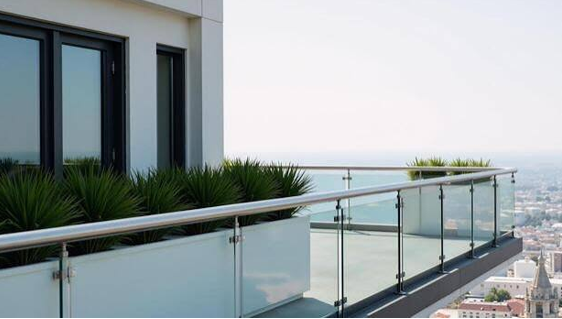
Glass railings offer a different approach to balcony design. Instead of creating a solid visual barrier, they allow the eye to travel beyond the edge of the building. This creates a lighter appearance while preserving the separation needed for safety. For apartments, townhouses, and compact urban homes, balcony railings with glass can help outdoor areas feel more connected to their surroundings without taking up unnecessary visual space.
The View Matters More Than the Floor Area
A balcony’s dimensions determine how much furniture it can accommodate, but visual openness also influences how spacious it feels. Traditional railings with thick bars, heavy frames, or solid panels can interrupt the view and divide the outdoor area from the landscape beyond.
Glass changes this relationship. Because it allows people to see through the railing, the balcony feels less enclosed. Buildings, gardens, trees, and distant views remain visible instead of being hidden behind a substantial barrier.
This effect is especially useful on narrow balconies. A compact space with a clear outlook can feel more comfortable than a larger one surrounded by visually heavy materials. Glass does not increase the actual floor area, but it reduces the sense of separation between the balcony and its surroundings.
The effect can be particularly noticeable in apartments where the balcony faces a courtyard, a green space, or an attractive city view.
See also: Discover the Lifestyle Benefits of Living in Blackheath
More Daylight Reaches the Living Space
Balconies often sit directly outside bedrooms, kitchens, and living rooms. The railing design can influence how much daylight passes through the balcony and reaches the interior.
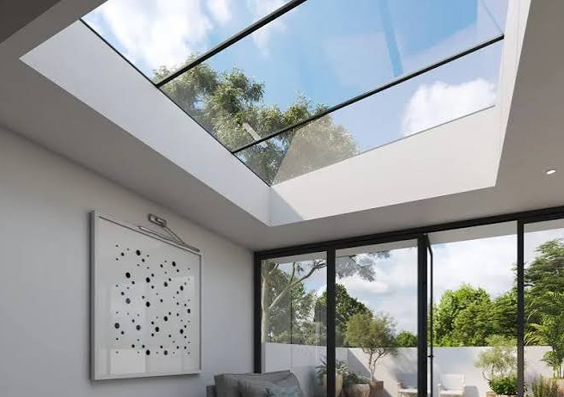
Solid parapets and opaque panels may block some incoming light, depending on their height and position. Transparent glass allows more daylight to pass through the railing, helping the adjoining room maintain a brighter appearance.
This can make a difference in smaller apartments, where every source of natural light contributes to the atmosphere of the interior. A glass railing can also help maintain a visual connection between indoor seating areas and the outdoors, making the two spaces feel less separate.
The amount of light that enters depends on the balcony’s orientation, surrounding buildings, glazing, and the railing’s design. Glass will not solve every daylight problem, but it can avoid the additional obstruction created by an opaque barrier.
Keeping the Design Simple and Uncluttered
A compact balcony needs thoughtful design because every visible element influences the overall impression. Oversized railings, decorative metalwork, and heavy support structures can compete with planters, chairs, and other features.
Glass offers a relatively understated appearance. It works with contemporary apartment façades, timber decking, concrete finishes, metal furniture, and natural greenery. The transparency also allows other design elements to remain visible rather than competing with a dominant railing pattern.
Frameless systems provide a particularly minimal look, while framed glass railings offer visible structure and can complement more traditional architectural styles. The right option depends on the building’s design, the required support system, and the desired appearance.
A restrained railing design also makes it easier to change the balcony’s style over time. Seasonal plants, outdoor cushions, and small furniture pieces can become the main visual features without clashing with an elaborate boundary.
Making a Small Balcony More Useful
An open appearance is valuable, but a balcony must also function well for everyday activities. The railing should complement the way the available floor space is arranged.
For example, a narrow balcony may only accommodate two compact chairs and a small table. A visually heavy railing can make this arrangement feel crowded, even if the furniture technically fits. Glass helps keep the outlook visible, allowing the seating area to feel less boxed in.
For balconies used for gardening, transparent railings let plants remain part of the wider view. Planters can be arranged along the edges without creating the same visual blockage as a solid screen. Care is needed to keep pots and furniture secure, particularly on upper floors.
Glass railings can also suit balconies with built-in benches or compact storage. Since the boundary remains visually light, these practical features can be incorporated without making the entire space appear overly furnished.
The most successful layouts leave clear walking space and avoid placing too many objects around the perimeter. A railing can support the overall design, but careful furniture selection remains essential.
Choosing Glass That Suits the Building
Not all glass railing systems have the same appearance or performance. The choice should reflect the balcony’s exposure, privacy requirements, maintenance expectations, and structural conditions.
Clear glass offers the least obstructed view and is often preferred where the surrounding landscape is a major feature. Frosted, textured, or tinted glass can provide additional privacy, although these options may reduce transparency or alter the amount of daylight passing through.
The support system also affects the final appearance. Frameless designs typically use specialised base channels or other engineered fixings, while framed systems include visible metal components. Neither option should be chosen on appearance alone; the mounting method must be suitable for the building and the expected loads.
For homes exposed to strong winds, coastal conditions, or frequent rain, material specifications and hardware durability deserve particular attention. Corrosion-resistant fittings and appropriate drainage details can help maintain the railing over time.
Safety Should Shape the Design from the Beginning
Balcony railings serve a critical safety purpose, particularly on elevated floors. The glass must be specified for its intended application rather than selected simply because it looks attractive.
Safety glazing systems commonly use toughened glass, laminated glass, or suitable combinations of these materials. Laminated glass incorporates an interlayer that helps retain fragments if the glass breaks, while toughened glass is processed to improve its strength and typically breaks into smaller pieces. The appropriate specification depends on the system design, local regulations, and the consequences of glass failure.
Railing height, panel thickness, edge support, fixing details, and resistance to impact must all be considered. The supporting slab or structure also needs to be capable of carrying the loads imposed by the railing.
Installation should follow the manufacturer’s instructions and applicable building codes. A qualified professional can assess the balcony and recommend a suitable system for the property’s conditions. Glass panels should not be treated as interchangeable components, since the performance of the complete assembly depends on how the glass, fixings, and structure work together.
Keeping Glass Clear Without Excessive Maintenance
Transparent railings reveal the view, but they also show fingerprints, dust, rain spots, and water marks. Regular cleaning helps preserve their appearance, especially in areas exposed to traffic pollution or coastal spray.
A soft cloth or suitable squeegee, mild cleaning solution, and clean water are generally useful for routine care, subject to the manufacturer’s recommendations. Abrasive pads and harsh chemicals should be avoided if they could damage the glass or its protective coatings.
The railing’s hardware deserves periodic inspection as well. Fixings, seals, and drainage areas should be checked according to the system’s maintenance guidance, with any damage assessed promptly.
For households that prefer less frequent cleaning, the surrounding environment may influence the decision. Balconies exposed to heavy rain, dust, or salt-laden air may need more attention than sheltered spaces.
A Clearer Boundary for Compact Outdoor Living
A small balcony does not need to feel like a separate, enclosed box attached to the building. Its connection to the outside view, the daylight entering the home, and the arrangement of its furniture all contribute to how inviting it feels.
Balcony railings with glass offer a way to preserve that connection while maintaining an appropriate protective barrier. Their transparency can make narrow spaces appear less confined, keep views visible, and allow more daylight to pass through the balcony boundary.
The best design balances appearance with practical considerations, including privacy, structural support, weather exposure, and maintenance. With suitable glass and professional installation, a modest outdoor area can feel calmer and more open without requiring additional floor space. Sometimes, making a small balcony feel bigger begins with changing what the eye can see beyond its edge.