A room can have beautiful flooring, carefully chosen furniture, and walls painted in the perfect shade, yet still feel darker or smaller than expected. The missing element may be above eye level. Ceilings often receive little attention during interior design, but they influence how people experience a space throughout the day. Introducing natural light from above can change the atmosphere of a room without requiring major changes to its layout or decoration.
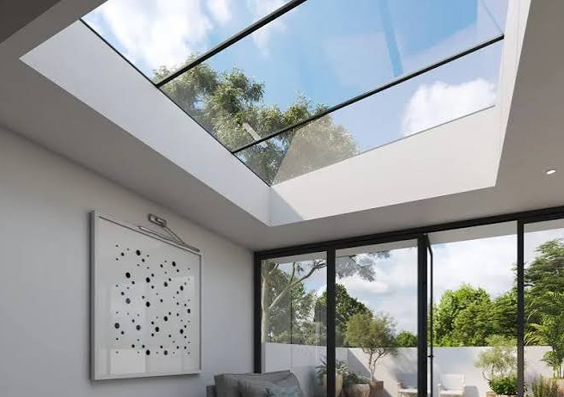
A modular flat rooflight offers a practical way to bring daylight into rooms that receive limited sunlight through conventional windows. Installed within a flat or suitably designed roof, it creates an opening for natural light to enter from above. The effect can be subtle or striking, depending on the room’s size, orientation, and existing design.
The Difference Between Light from a Wall and Light from Above
Traditional windows bring daylight in from the sides. Their effectiveness depends on the direction they face, nearby buildings, trees, and the position of the sun. In rooms surrounded by walls or located toward the centre of a building, side-facing windows may provide limited illumination.
A rooflight introduces another source of daylight. Since it sits overhead, it can allow sunlight and diffuse sky light to reach areas that might otherwise remain shaded. This can be particularly useful in single-storey extensions, kitchens, hallways, home offices, and open-plan living areas.
The change becomes noticeable in the way light spreads across the room. Instead of concentrating near a window, daylight can reach worktops, dining tables, seating areas, and other parts of the interior. The ceiling itself becomes part of the lighting design rather than simply a surface that finishes the room.
See also: Discover the Lifestyle Benefits of Living in Blackheath
A Brighter Room Can Feel More Open
The perception of space depends on more than floor area. Natural light, visual balance, ceiling height, and the arrangement of furniture all influence how large a room feels.
A poorly lit room can appear enclosed, particularly when dark corners interrupt the view across the space. Daylight entering through a rooflight helps soften these contrasts and makes the interior feel more connected to the outdoors.
Consider a kitchen extension with cabinets along two walls and a dining table in the middle. If most daylight comes from one set of patio doors, the central section may remain comparatively dim. Adding a rooflight above the dining area can distribute light more evenly and make the room feel less confined.
The result does not depend on making every surface white or removing furniture. A well-positioned source of daylight can complement natural wood, textured finishes, coloured cabinetry, and other design choices while helping the room feel more comfortable.
Why the Modular Design Matters
The visual effect of a rooflight is only one part of the decision. Its construction and suitability for the building matter just as much.
A modular flat rooflight is generally designed as a coordinated unit, with components developed to work together as part of the roof installation. Depending on the product, this may include glazing, a frame, seals, and other integrated elements. Exact specifications vary between manufacturers.
For homeowners and builders, a modular format can make planning easier because the dimensions and installation requirements are defined before work begins. It also provides a clearer starting point for coordinating the roof opening with the surrounding structure.
Size is an important consideration. A rooflight should provide enough daylight to improve the room without overwhelming the roof design or creating unwanted glare. Several smaller units may suit a long kitchen or corridor, while one larger unit may work better above a central living space.
The appropriate choice depends on the roof structure, available installation space, drainage details, and the amount of daylight required.
Daylight Changes the Mood Throughout the Day
Artificial lighting tends to produce a fairly consistent appearance, but natural light changes with the weather and time of day. Morning light may feel crisp and gentle, while afternoon sunlight can create stronger highlights and shadows.
A rooflight allows these changes to become part of the interior experience. In a breakfast area, daylight overhead can make the room feel lively in the morning. In a reading corner, softer light on an overcast afternoon can create a relaxed atmosphere without relying entirely on lamps.
Natural daylight can also make interior finishes appear more varied. Timber grain, stone surfaces, textured plaster, and fabric upholstery often reveal details that are less noticeable under uniform artificial lighting.
The direction of the rooflight, the depth of the roof opening, and the glazing specification all affect the final result. Direct sunlight can create attractive patterns, but it may also cause glare or overheating in certain rooms. Good positioning helps balance the visual benefits with everyday comfort.
Making Better Use of Kitchens, Hallways, and Extensions
Some rooms benefit more from overhead daylight than others.
Kitchens often contain wall cabinets, tall appliances, and work surfaces that cast shadows. A rooflight positioned above an island or preparation area can bring useful daylight into the centre of the room. It may also reduce the need to switch on electric lights during brighter parts of the day.
Hallways frequently sit away from exterior walls. A rooflight can make these connecting spaces feel less like passageways and more like considered parts of the home.
Home offices can benefit from daylight, especially in rooms where conventional windows provide limited illumination. Positioning matters, though: strong sunlight falling directly onto a computer screen can cause reflections and discomfort.
Extensions and open-plan rooms offer another opportunity. A rooflight can help distinguish a dining or seating area through light rather than partitions. This keeps the overall layout open while giving different parts of the room their own visual character.
Comfort Depends on More Than Brightness
More daylight is useful only when the room remains comfortable throughout the year. Glazing performance, insulation, airtightness, ventilation, and installation quality should all be considered alongside appearance.
A rooflight with suitable thermal performance can help limit unwanted heat transfer. Solar-control glazing may be worth considering in spaces that receive strong sunlight, particularly during warmer months. The right specification depends on the local climate, roof orientation, and intended use of the room.
Rainwater management also deserves attention. Flat roofs need appropriate drainage and waterproofing details, and the rooflight must be installed in accordance with the manufacturer’s instructions. The surrounding structure should be checked to confirm that it can accommodate the opening safely.
Condensation is another practical consideration. Adequate ventilation, appropriate insulation, and careful detailing help reduce the risk of moisture-related problems around the installation.
Professional advice is useful before choosing a product, especially when the work involves altering an existing roof or changing a room’s structural layout.
Planning the Installation Around Everyday Life
The best position for a rooflight is not necessarily the centre of the roof. Its location should reflect how the room is used, where furniture sits, and how daylight moves across the space.
Before installation, consider the activities taking place below it. A rooflight above a dining table may create a natural focal point, while one above a kitchen island can support everyday tasks. In a bedroom or lounge, the desired atmosphere may call for a different size or position.
It is also worth considering cleaning access, maintenance requirements, privacy, and whether an opening or fixed design is more appropriate. Building regulations, planning requirements, and structural considerations should be checked for the specific property and project.
The ceiling may seem like an unlikely place to make a design decision, but it has a direct influence on the light, atmosphere, and perceived proportions of a room. A carefully selected modular flat rooflight can bring daylight into overlooked areas, highlight interior details, and make everyday spaces feel more inviting.
A successful installation does not need to dominate the room. Its real value lies in how naturally it fits into the architecture, allowing daylight to become part of the home’s character rather than an afterthought.