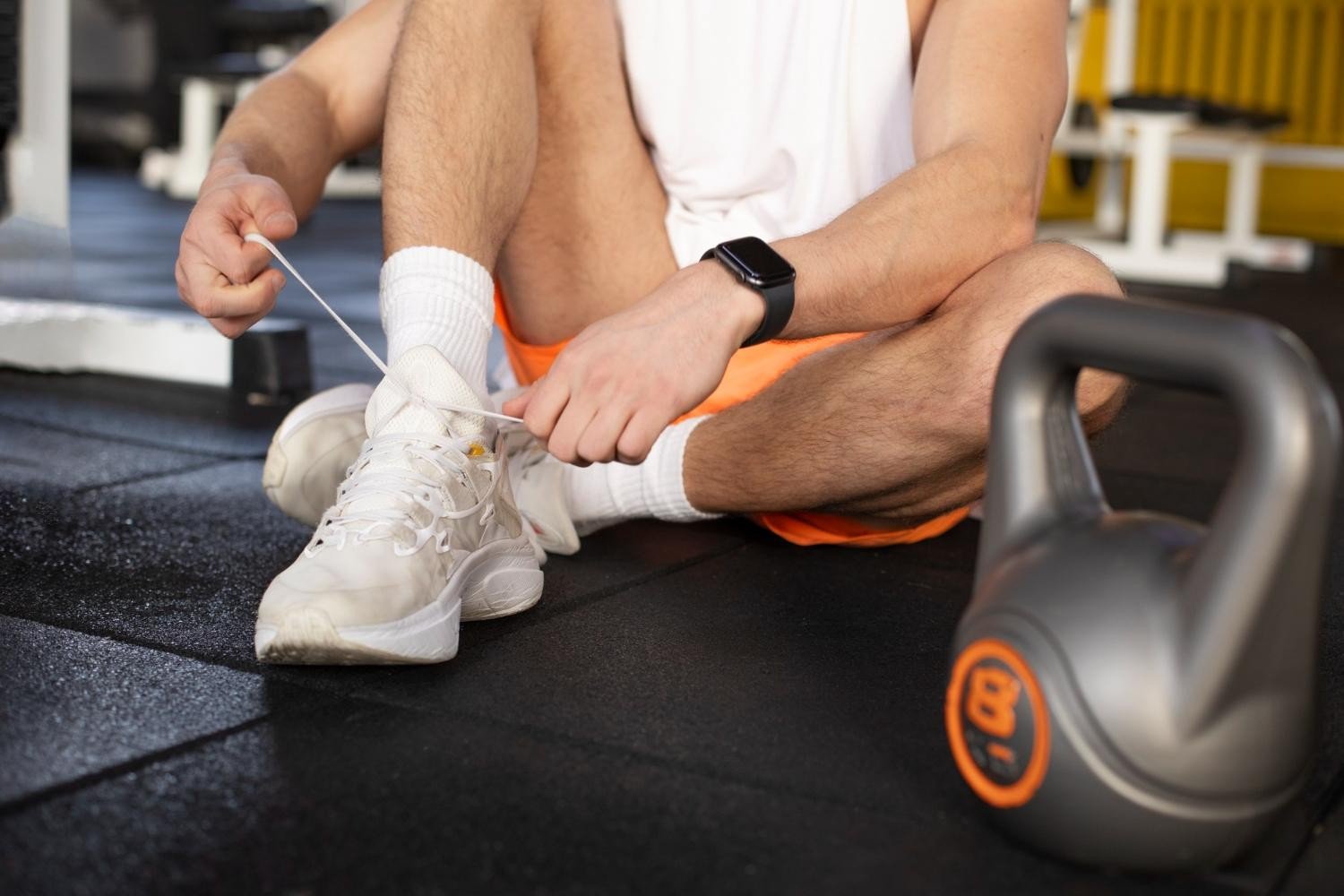
Choosing the right footwear can make a noticeable difference in the comfort and stability of a strength training routine. Whether someone trains several times a week or follows a daily gym schedule, shoes should provide a secure fit, dependable support, and a stable surface for lifting. The right pair can help athletes focus on their technique instead of adjusting their feet or dealing with unnecessary discomfort during workouts.
Regular strength training places different demands on footwear than walking, running, or casual exercise. Squats, deadlifts, lunges, and other resistance exercises require a solid foundation that allows the feet to remain stable under load. Shoes that feel comfortable during everyday activities may not provide the support needed for these movements.
Finding suitable weight lifting shoes involves considering several factors, including fit, sole construction, heel height, materials, and training preferences. Understanding these features can help gym members choose footwear that works well for their exercise routine and remains comfortable through repeated sessions.
Why Comfortable Footwear Matters During Strength Training
Comfort is an important part of a consistent workout routine. Shoes that pinch the toes, create pressure around the heel, or allow the feet to slide can become distracting during exercises. Over time, these problems may make training sessions less enjoyable and encourage people to cut their workouts short.
A comfortable pair should allow the feet to sit naturally while providing enough support for controlled movements. The goal is not simply to find the softest shoe but to choose one that combines a secure fit with a stable platform.
Several benefits come from selecting appropriate training footwear.
- Better stability: A firm sole helps create a dependable base during squats, deadlifts, and other loaded exercises.
- Improved comfort: Proper sizing and suitable materials reduce unnecessary pressure on the feet.
- Secure positioning: A well-fitting shoe helps limit unwanted foot movement inside the footwear.
- Greater training confidence: Reliable support allows lifters to concentrate on movement quality and technique.
- Consistent performance: Shoes designed for the demands of strength training can be more practical than general-purpose footwear for regular lifting sessions.
Comfort should always be considered alongside the type of exercise being performed. A shoe that works well for heavy squats may not offer the flexibility needed for running intervals or agility drills.
1. Choose the Right Fit for Your Foot Shape
Fit should be the first consideration when shopping for lifting footwear. Even a well-designed shoe may cause discomfort if its shape does not match the wearer’s feet.
A shoe that is too tight can create pressure around the toes and sides of the foot. A shoe that is too loose may allow the heel to move during repetitions, reducing the feeling of control. Both problems can become more noticeable during longer training sessions.
Before choosing a pair, consider the following fit guidelines.
- Check the toe box: Your toes should have enough room to spread naturally without pressing against the sides.
- Assess the heel fit: The heel should remain secure without excessive rubbing or slipping.
- Look at the midfoot: The shoe should hold the foot comfortably without creating uncomfortable pressure.
- Consider foot width: People with broader feet may need a wider design rather than simply buying a longer size.
- Try both shoes: Feet can differ slightly in size, so both shoes should feel comfortable before making a decision.
It is also useful to try shoes later in the day or after normal activity, when feet may be slightly larger than they are in the morning. Wear the type of socks normally used for gym workouts while checking the fit.
A comfortable fit should feel secure from the first try. Do not assume that shoes causing significant pressure will become suitable after several workouts.
2. Look for a Firm and Stable Sole
The sole plays a major role in how a shoe performs during strength training. Soft, highly cushioned soles can feel comfortable for walking, but they may compress under heavy loads and create a less stable feeling during certain lifts.
For exercises such as squats and deadlifts, many lifters prefer a firm platform that limits excessive compression. This can help them maintain consistent foot contact with the floor and focus on controlled movement.
When evaluating the sole, pay attention to these features.
- Firm construction: The sole should resist excessive compression when you stand and apply pressure.
- Reliable traction: The outsole should grip the gym floor without sliding during controlled movements.
- Consistent contact: The shoe should allow the foot to remain planted during the exercises it is designed for.
- Suitable flexibility: The sole should offer enough flexibility for the intended activity without feeling unstable.
The ideal amount of firmness depends on your training style. Heavy barbell lifting often benefits from a rigid platform, while circuit training may require greater flexibility for quick changes in direction.
Before purchasing, test how the shoe feels while standing, bending your knees, and shifting your weight gently from side to side. These simple checks can reveal whether the sole feels secure enough for your routine.
3. Understand Heel Height and Support
Heel height is another important feature to consider. Some lifting shoes have an elevated heel, while others use a flat, low-profile design. Neither option is automatically best for every lifter.
An elevated heel may help some people maintain a more upright torso and reach a comfortable squat depth, depending on their ankle mobility, body proportions, technique, and exercise selection. These shoes are commonly used for weightlifting movements such as squats and clean and jerk variations.
Flat shoes may be preferred for deadlifts and other exercises where a low, stable connection to the floor is useful. Some lifters also choose flat footwear for general strength training because it feels more natural for their preferred movements.
Consider these questions before choosing a heel design:
- Do you perform mostly squats, Olympic weightlifting, or general resistance training?
- Does an elevated heel help you maintain a comfortable and controlled squat position?
- Do you frequently deadlift and prefer a low profile?
- Do you need one pair for several different types of exercise?
- Does the shoe feel balanced when you apply pressure through the entire foot?
Heel height should support your technique rather than force you into an uncomfortable position. If a particular design causes discomfort or changes your movement in an unwanted way, consider another option.
4. Select Breathable and Durable Materials
People who train regularly need footwear that can handle repeated use while remaining comfortable. Material quality influences breathability, flexibility, cleaning, and long-term durability.
Shoes made with breathable mesh or ventilated panels may help reduce heat buildup during long sessions. Reinforced synthetic materials and durable overlays can provide additional structure in areas that experience frequent pressure.
Different materials offer different advantages.
- Mesh panels: These can improve airflow and help the feet feel less hot during workouts.
- Synthetic uppers: These often provide a balance of structure, durability, and easy maintenance.
- Reinforced sections: Extra material around high-wear areas may improve resistance to repeated friction.
- Secure fastening systems: Laces, straps, or a combination of both can help keep the foot in place.
- Durable outsoles: Quality rubber compounds can provide traction and withstand regular contact with gym flooring.
Consider the environment in which you train. A warm, crowded gym may make ventilation more important, while frequent heavy lifting may place greater emphasis on structure and sole durability.
Check the stitching, bonding, and finishing before purchasing. Uneven seams, loose components, or poorly attached sole sections may indicate potential durability problems.
5. Match the Shoes to Your Training Routine
Not every gym member needs the same footwear. Someone who focuses on heavy barbell squats has different requirements from someone who combines dumbbell exercises, bodyweight movements, rowing, and short cardio intervals.
The most useful shoe is one that matches the exercises you perform most often.
For Heavy Squats
A stable sole is essential for maintaining consistent foot contact with the floor. Some lifters prefer an elevated heel because it can make it easier to reach their desired squat position. Others prefer a flat shoe, depending on their mobility and technique.
Choose a design that supports your natural movement and allows you to maintain control throughout the repetition.
For Deadlifts
Many lifters prefer a flat, firm sole for deadlifts because it reduces the distance between the feet and the floor. A secure fit and good traction are also important, particularly when handling heavier weights.
Avoid footwear with thick, highly compressible cushioning if it makes you feel unstable during the lift.
For General Gym Workouts
If your routine includes strength exercises, machines, and moderate functional movements, a versatile training shoe may be a practical choice. Look for a balance of stability, comfort, and enough flexibility for the activities you perform.
For Olympic Weightlifting
Movements such as the snatch and clean and jerk demand a stable platform and precise foot positioning. Dedicated weightlifting shoes often feature a raised, rigid heel and a secure fastening system. They are designed for lifting rather than running or extended cardio sessions.
If your training includes several very different activities, you may find that separate shoes provide a better experience than trying to use one pair for everything.
6. Pay Attention to Cushioning
Cushioning is useful in many types of athletic footwear, but more cushioning does not always mean better performance during strength training.
Running shoes generally prioritize impact absorption and forward movement. Their softer midsoles can compress under load, which may feel less stable during heavy resistance exercises.
Lifting footwear typically places greater emphasis on a firm foundation. The aim is to provide a stable platform rather than a soft, springy sensation.
When comparing cushioning, consider these points:
- Look for a sole that does not feel excessively soft under your body weight.
- Check whether the shoe remains stable when you bend your knees and shift your weight.
- Avoid choosing footwear based only on how comfortable it feels while walking.
- Consider your primary exercises before deciding how much cushioning you need.
- Make sure the shoe still feels comfortable around the heel, arch, and forefoot.
Some training shoes provide moderate cushioning for mixed gym activities. These may be suitable for people who do not specialize in heavy barbell lifting, provided the footwear remains stable for their exercises.
7. Consider Arch Comfort Without Overlooking Stability
Arch support is a personal consideration because foot shapes and comfort preferences vary. Some people prefer a more structured feel under the arch, while others find a flatter interior more comfortable.
The important point is that arch support should not create painful pressure or make the foot feel uneven inside the shoe.
When trying on a pair, check whether the interior feels natural as you stand and move. If you use prescribed orthotics or custom insoles, make sure the shoe can accommodate them without becoming too tight or changing its fit significantly.
Keep in mind that arch support and sole stability are not the same feature. A shoe can feel supportive around the arch while still having a soft sole that compresses under load.
If you regularly experience foot pain, persistent discomfort, or unusual pressure during exercise, consider consulting a qualified healthcare professional or podiatrist to identify the cause rather than relying on footwear changes alone.
8. Choose a Secure Closure System
A secure closure helps prevent unnecessary movement inside the shoe. Traditional laces allow you to adjust the fit across different parts of the foot, while straps can add support around the midfoot.
Some lifting shoes combine laces with a strap to provide a more secure feel during heavy exercises.
When assessing the closure system, check that:
- The laces can be tightened without causing pressure or numbness.
- The tongue sits comfortably and does not bunch up.
- Straps remain secure during normal movement.
- The heel stays in place when you bend your knees.
- You can adjust the fit easily between workouts.
A secure closure should hold the foot comfortably rather than squeeze it. If tightening the shoe causes tingling or pain, try a different lacing pattern or look for a design better suited to your foot shape.
9. Check Durability Before Buying
Regular gym use places repeated stress on footwear. The sole experiences friction against the floor, the upper bends during movement, and the fastening system is adjusted frequently.
A durable pair can be a better long-term purchase than a cheaper option that quickly loses its structure. However, price alone does not guarantee quality.
Inspect the shoes for signs of careful construction. Check the outsole attachment, seams, lace eyelets, straps, and areas around the heel. These details can help you assess whether the pair is likely to withstand your training routine.
It is also worth reviewing the manufacturer’s care instructions and warranty information. Some materials require specific cleaning methods, and harsh chemicals or excessive heat may damage them.
Look for early signs of wear after regular use, including:
- Outsole separation
- Worn traction patterns
- Damaged laces or straps
- Loose stitching
- A heel that no longer feels secure
- Noticeable compression or uneven wear in the sole
Replace footwear when its structure or grip is no longer suitable for safe, controlled training. A shoe does not need to look completely worn out to require replacement.
10. Test the Shoes Before Using Them for Heavy Lifts
Even after checking the specifications, it is important to assess how a shoe feels during movement. A product description cannot tell you exactly how the footwear will fit your feet or work with your lifting technique.
If possible, try the shoes in a store and walk around before making a purchase. Check the fit while standing, bending your knees, and shifting your weight gently.
Once you have purchased them, begin with a lighter workout before using them for your heaviest lifts.
A practical testing routine includes:
- Standing with your feet in your normal lifting position.
- Performing a few controlled bodyweight squats.
- Checking heel movement during knee bends.
- Testing traction on a suitable gym surface.
- Performing light repetitions with familiar exercises.
- Noticing any rubbing, pressure, or discomfort.
Do not test new footwear by immediately attempting a personal record. Give yourself time to understand how the shoes feel and whether they support your usual technique.
A good pair should feel secure without requiring a lengthy adjustment period to resolve major fit problems.
11. Set a Practical Budget
Training footwear is available at different price points, so it helps to decide which features matter most before shopping. The most expensive model may include details that are unnecessary for your routine, while an inexpensive option may lack the construction needed for your preferred lifts.
Start by identifying your primary use. If you regularly perform heavy barbell exercises, prioritize sole firmness, heel stability, and a secure fit. If you do general gym workouts, a versatile training shoe may provide better overall value.
Compare models based on:
- Fit and available width options
- Sole construction and traction
- Heel height
- Materials and expected durability
- Closure system
- Return and exchange policies
- Warranty coverage, if available
Read product descriptions carefully and check sizing guidance before ordering online. Customer reviews can also provide useful information about sizing consistency, comfort, and durability, although individual experiences may vary.
Choosing a shoe based on relevant features rather than appearance alone can help you make a more practical purchase.
12. Maintain Your Shoes for Longer Use
Proper care helps preserve the comfort and structure of training footwear. Shoes used frequently in the gym can collect sweat, dust, and moisture, which may affect their condition over time.
A simple maintenance routine can help keep them in good shape.
- Wipe away dirt after workouts.
- Allow shoes to air dry before storing them.
- Avoid leaving them in a hot car or direct heat.
- Follow the manufacturer’s cleaning instructions.
- Store them in a dry, ventilated place.
- Check the soles and closures regularly for wear.
If your shoes become wet from sweat or cleaning, allow them to dry naturally. Placing them directly against a heater may damage the adhesives or materials.
It is also helpful to use lifting shoes primarily for their intended purpose. Using them for activities they were not designed for may lead to faster wear or a less comfortable experience.
Frequently Asked Questions
1. What should I look for when buying weight lifting shoes?
Focus on fit, sole firmness, traction, heel height, and support. Your choice should reflect your main exercises and foot shape. A secure fit and stable platform are generally more important for strength training than soft cushioning.
2. Are flat shoes better for weightlifting?
Flat shoes can work well for deadlifts and general strength training, but they are not ideal for every lifter or exercise. Some people prefer elevated heels for squats and Olympic weightlifting movements. The best option depends on technique, mobility, comfort, and training goals.
3. Can I use running shoes for lifting weights?
Running shoes can be suitable for light resistance exercises, but their soft midsoles may compress under heavy loads. If you regularly perform heavy squats or deadlifts, footwear with a firmer and more stable sole may be a better choice.
4. How tight should lifting shoes fit?
They should feel secure without squeezing your toes or creating pressure around the midfoot. Your heel should remain stable, and your toes should have enough room to sit naturally. Avoid shoes that cause numbness, pain, or persistent rubbing.
5. Should I buy lifting shoes in a larger size?
Not automatically. A longer shoe may create unwanted movement if the width or overall shape is wrong. Check the brand’s sizing guide and consider wider models if your feet need more room. Try the shoes with your usual gym socks whenever possible.
6. How long do lifting shoes usually last?
Their lifespan depends on construction, training frequency, exercise selection, and care. Someone lifting several times per week may wear out a pair faster than someone training occasionally. Inspect the outsole, sole structure, and closure system regularly rather than relying on a fixed replacement schedule.
7. Can one pair of shoes work for all gym activities?
A versatile training shoe may work for moderate strength training and some functional exercises. However, heavy lifting, running, and agility workouts have different footwear requirements. People who regularly perform all these activities may benefit from using separate pairs.
8. Do beginners need dedicated lifting shoes?
Not necessarily. Beginners can often start with stable athletic footwear that fits well and suits their exercises. Dedicated lifting shoes may become useful as training becomes more specialized, especially for regular heavy squats or Olympic weightlifting.
Final Thoughts
Choosing comfortable footwear for regular strength training involves more than finding a shoe that looks good or feels soft in the store. The right pair should fit your foot shape, provide a stable platform, offer appropriate traction, and match the exercises you perform most often.
Pay attention to sole construction, heel height, material quality, and closure design before making a decision. Test the fit with controlled movements, start with lighter exercises when using new footwear, and inspect your shoes regularly for wear.
With a clear understanding of your training needs, you can select footwear that supports a comfortable and consistent gym routine while helping you maintain focus on proper lifting technique.